How The Dark Web Threatens Your Identity: Steps You Can Take Now
Your personal information is more vulnerable than you might realize. The dark web, a hidden part of the internet, plays a significant role in identity theft by offering a marketplace for stolen data. Understanding how the dark web operates and taking proactive steps to safeguard your information is crucial in today’s environment.
Understanding the Dark Web’s Role in Identity Theft
The dark web is a section of the internet that is intentionally hidden and accessible only with specialized software. Unlike the surface web, which you access daily through standard browsers, the dark web provides anonymous browsing and hosting. This anonymity makes it a haven for illegal activities, including the buying and selling of stolen identities.
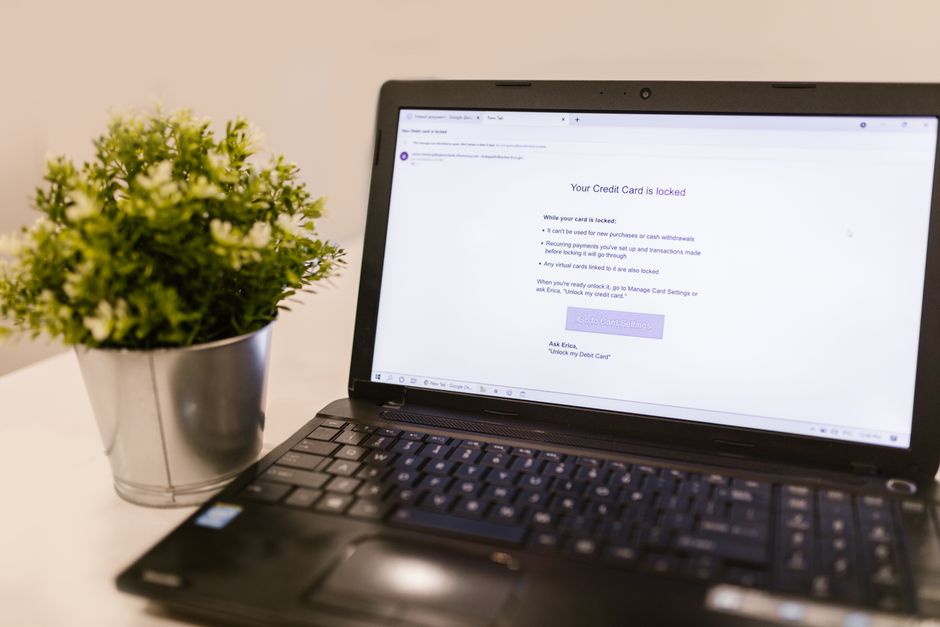
Cybercriminals often acquire personal data through data breaches or phishing attacks and then sell this information on the dark web. This data might include Social Security numbers, credit card details, and login credentials. Once your information is available here, it can be used for various fraudulent activities, such as opening new accounts or making unauthorized purchases in your name.
Steps to Protect Your Information From Dark Web Threats
The good news is that there are effective strategies you can employ to protect your identity from being compromised. Here are some key steps:
1. Monitor Your Credit Reports
Regularly reviewing your credit reports can help you identify any suspicious activities or unauthorized accounts. Many services offer free annual credit reports, allowing you to check for errors or unfamiliar transactions.
2. Use Strong, Unique Passwords
Creating complex passwords and using a different one for each account reduces the risk of multiple accounts being compromised at once. Consider using a password manager to keep track of them securely.
3. Enable Two-Factor Authentication
Two-factor authentication adds an extra layer of security by requiring a second form of verification, such as a code sent to your phone. This makes it significantly harder for hackers to access your accounts even if they have your password.
4. Stay Informed About Data Breaches
Sign up for notifications from services that track data breaches. This way, you can take immediate action if your information is compromised, such as changing passwords or monitoring accounts closely.
Additional Precautions to Consider
Beyond the basic steps, there are more advanced precautions you can take to protect your identity:
Use a Virtual Private Network (VPN)
A VPN encrypts your internet connection, making it more difficult for outsiders to intercept your data. This is particularly useful when using public Wi-Fi networks, which are often vulnerable to cyberattacks.
Freeze Your Credit
If you don’t anticipate needing new credit soon, consider freezing your credit. This prevents creditors from accessing your reports, thus stopping new accounts from being opened in your name without your permission.
Common Mistakes to Avoid
Being aware of common mistakes can further safeguard your information:
Using the same password across multiple sites.
Sharing too much personal information on social media.
Ignoring software and security updates.
Each of these practices can increase your susceptibility to identity theft.
Conclusion: Stay Vigilant and Proactive
While the dark web presents significant challenges in identity protection, staying informed and implementing robust security measures can significantly mitigate these risks. Regular vigilance and adopting the protective steps outlined can help secure your identity against the evolving threats posed by cybercriminals.
Unlock Full Article
Watch a quick video to get instant access.
×
Unlock Full Article
Watch a quick video to get full access to this article.