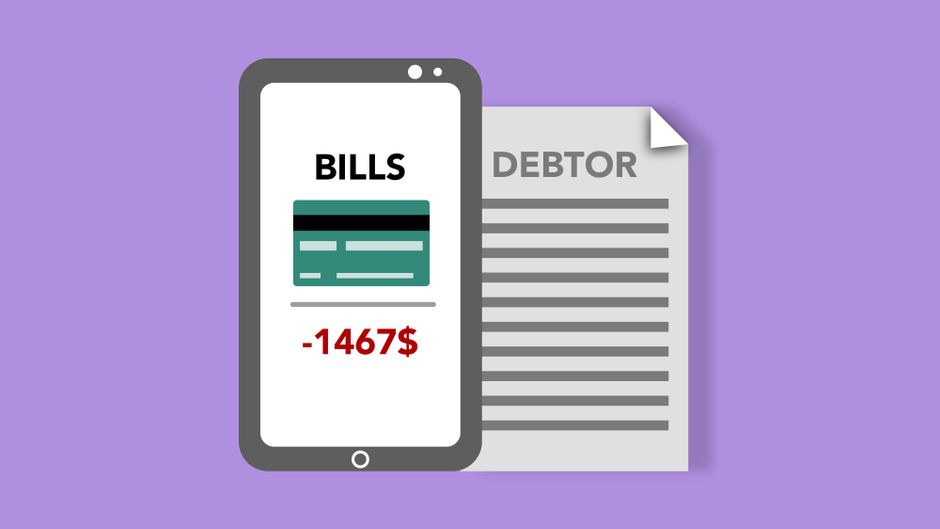
The Ultimate Guide to Choosing the Best Balance Transfer Credit Card for Your Needs
Finding the right balance transfer credit card can be a pivotal step in managing and reducing your debt. With the many options available, it’s critical to understand the features that align best with your financial situation. This guide will walk you through the factors to consider when choosing a balance transfer card, helping you make an informed decision.
Understanding Balance Transfer Credit Cards
Balance transfer credit cards are designed to help consumers pay off high-interest debt by transferring the balance from one or multiple credit cards to a new card with a lower interest rate or a 0% introductory APR. This can significantly reduce the amount of interest you pay, allowing you to tackle your principal debt more effectively. However, the benefits depend on how you use them and the terms offered by the card issuer.
Key Features of Balance Transfer Cards
Here are some essential features to look for:
Introductory APR Period: This is the period during which the card offers a low or 0% interest rate. Longer periods allow more time to pay off your debt without accruing additional interest.
Balance Transfer Fees: Many cards charge a fee for transferring a balance, typically a percentage of the transferred amount. Be sure to factor this into your decision.
Regular APR: Once the introductory period ends, the standard interest rate applies. It’s crucial to be aware of what this rate will be.
Credit Score Requirements: Balance transfer cards often require a good to excellent credit score. Understanding your credit score can help you target appropriate offers.
Steps to Choosing the Right Card
Assess Your Debt and Financial Goals
Start by evaluating the total amount of debt you need to transfer and your ability to pay it off within the introductory period. Consider your long-term financial goals, such as becoming debt-free or improving your credit score, which can influence your choice.
Compare Card Offers
Once you’ve established your goals, compare different card offers. Pay attention to the length of the introductory APR, balance transfer fees, and post-introductory rates. Some cards might offer additional benefits like rewards or no annual fees, which could be advantageous depending on your spending habits.
Read the Fine Print
It’s important to read all the terms and conditions. Hidden fees or changes in terms can negate the benefits of a balance transfer offer. Ensure you understand what happens if you miss a payment or exceed your credit limit.
Common Mistakes to Avoid
Avoid these pitfalls when selecting and using a balance transfer card:
Ignoring Fees: High balance transfer fees can diminish the benefits of a 0% APR offer.
Missing Payments: Late or missed payments can result in losing the introductory rate and incurring penalties.
Not Paying Off the Balance: If you don’t pay off the balance before the introductory period ends, higher interest rates can make your debt unmanageable again.
When a Balance Transfer Card Might Not Be Right for You
Balance transfer cards are not ideal for everyone. If your debt level is too high relative to your income, consolidating or seeking credit counseling might be better options. Additionally, if you have a low credit score, you may not qualify for the best offers, and applying for multiple cards can further hurt your credit score.
Alternatives to Consider
If a balance transfer card doesn’t suit your needs, consider alternatives like personal loans, which can offer fixed interest rates and terms, or debt management plans provided by nonprofit credit counseling agencies.
Conclusion: Taking the Next Step
Choosing the best balance transfer credit card requires careful consideration of your financial situation, credit score, and financial goals. By understanding the key features and common pitfalls, you can select a card that fits your needs and helps you effectively manage and reduce your debt.
Ultimately, the right balance transfer card can be a powerful tool in achieving financial stability. Make sure to keep track of your payments and stay disciplined in your spending to maximize the benefits.
Unlock Full Article
Watch a quick video to get instant access.
×
Unlock Full Article
Watch a quick video to get full access to this article.