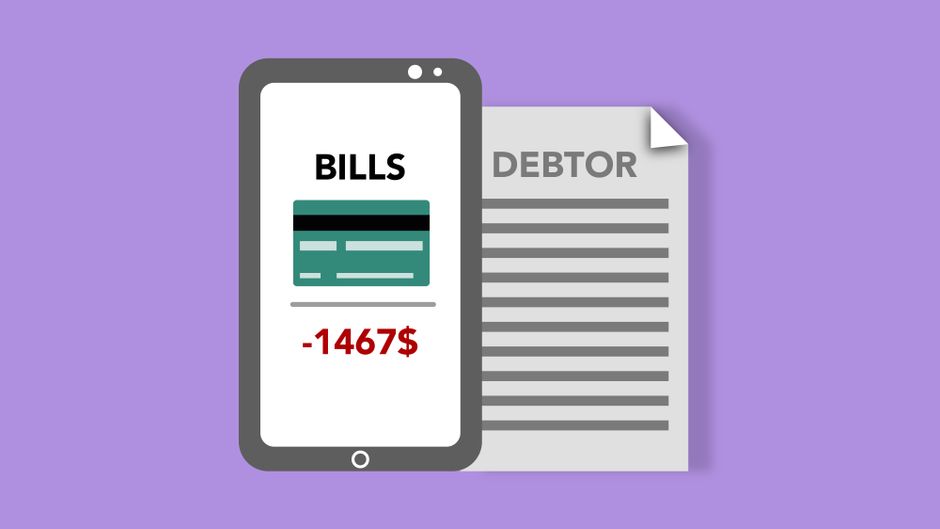
For many individuals drowning in debt, balance transfer credit cards have become a lifeline, offering a strategic tool to consolidate and eliminate financial burdens. By shifting high-interest debt to a card with a lower interest rate, people can save significantly on interest payments and pay off debt faster. Here, we dive into real-life success stories of individuals who effectively used balance transfer cards to regain financial control and provide tips on how you can do the same.
Understanding Balance Transfer Cards
Balance transfer credit cards are designed to help individuals manage their debt more efficiently. These cards typically offer a low or zero percent introductory interest rate for a set period, allowing users to transfer existing debt from other high-interest credit cards. This can make monthly payments more manageable and reduce the total interest paid. However, it’s crucial to understand the terms and conditions, as these introductory rates are temporary, and fees may apply.
How They Work
When you open a balance transfer card, you’re given a window of opportunity to move your debt from high-interest credit cards to the new card. The key benefit is the lower interest rate, which can range from zero percent to a low single-digit percentage for a specified introductory period. After this period, standard interest rates apply, so it’s essential to have a plan to pay off the debt before rates increase.
Potential Fees
While balance transfer cards offer significant benefits, they often come with fees, such as balance transfer fees, which typically range from 3% to 5% of the transferred amount. It’s important to factor these fees into your decision-making process, as they can affect the overall savings.
Case Study: Jane’s Journey to Debt Freedom
Jane, a 35-year-old marketing professional, found herself overwhelmed with credit card debt, accumulated over years of unexpected expenses and daily living costs. With an interest rate exceeding 20%, the debt seemed insurmountable. After researching her options, Jane decided to apply for a balance transfer card offering 0% interest for 18 months.
With careful planning, Jane transferred her $10,000 debt to the new card. She set a strict monthly budget, allowing her to pay $600 towards her balance each month. By the end of the introductory period, Jane successfully paid off her debt, saving her hundreds of dollars in interest payments and significantly reducing her financial stress.
Tips for Maximizing Balance Transfer Benefits
Create a Payment Plan
Before transferring a balance, it’s crucial to develop a realistic payment plan. Calculate how much you need to pay each month to eliminate the debt within the introductory period. This proactive approach helps ensure you avoid high-interest rates once the introductory period ends.

Avoid New Purchases
To maximize the benefit of a balance transfer card, focus solely on paying down your existing debt. Making new purchases on the card can complicate your repayment plan and lead to additional interest charges once the introductory period expires.
Case Study: Mark’s Strategic Debt Management
Mark, a self-employed graphic designer, used balance transfer cards strategically to tackle his $15,000 credit card debt. He started by transferring his highest-interest debts to a card offering a 0% APR for 15 months. By adjusting his monthly expenses and prioritizing debt repayment, Mark was able to pay off a significant portion before the introductory rate expired.
Additionally, Mark utilized a second balance transfer card to continue his progress, ultimately managing to clear his debt over a few years. His disciplined approach and understanding of the terms enabled him to save a substantial amount on interest fees.
Common Mistakes to Avoid
- Ignoring the Introductory Period: Failing to pay off the debt before the introductory period ends can result in high-interest charges.
- Overlooking Fees: Balance transfer fees can diminish savings, so it’s important to factor them into your overall debt repayment plan.
- Neglecting to Compare Options: Not all balance transfer cards are created equal. Compare offers to find the best terms that suit your financial situation.
Conclusion
Balance transfer credit cards can be a powerful tool for debt elimination when used responsibly. By understanding the terms, planning payments, and maintaining discipline, you can significantly reduce your debt and financial stress. The success stories of Jane and Mark illustrate how strategic use of these cards can lead to financial freedom, offering hope and practical strategies for others facing similar challenges.
Unlock Full Article
Watch a quick video to get instant access.