
Investing can be an intimidating venture for beginners, but with the right tools, anyone can start building their financial future. This guide explores five user-friendly investing apps that provide an excellent starting point for novice investors. These platforms are known for their ease of use, educational resources, and supportive community features.
1. Acorns: Micro-Investing Made Simple
Acorns is designed to help beginners ease into investing without requiring a large initial commitment. The app rounds up your everyday purchases to the nearest dollar and invests the spare change into diversified portfolios. This micro-investing approach makes it easy for users to get started with minimal financial impact.
Acorns offers a range of educational resources, including articles and video tutorials, to help users understand the basics of investing. The app’s automated features do most of the work, allowing beginners to learn while their investments grow over time.
2. Robinhood: Commission-Free Trading
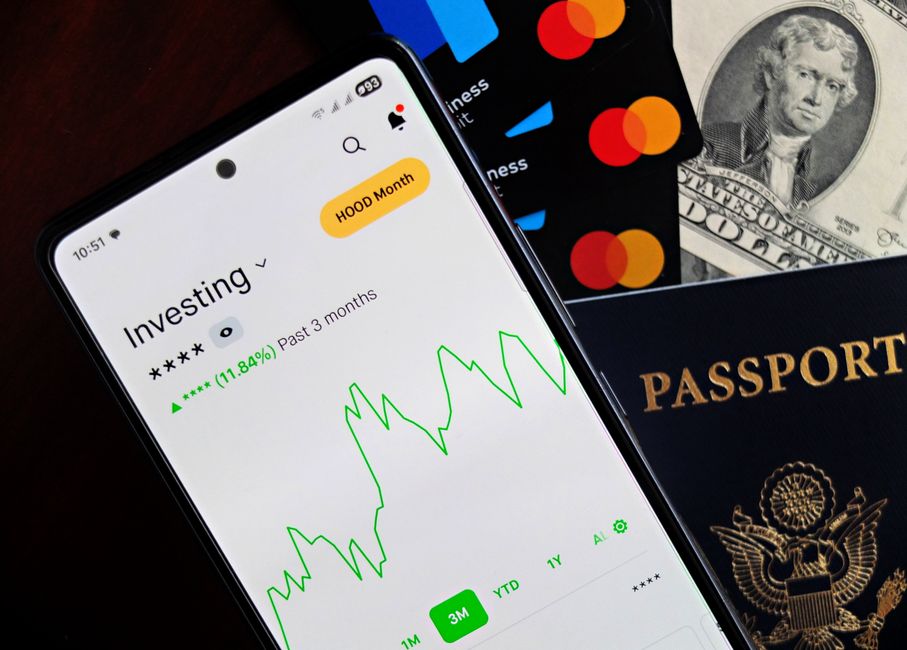
Robinhood revolutionized investing with its commission-free trading model, making it an attractive option for beginners who are cost-conscious. The app offers a straightforward interface that allows users to trade stocks, ETFs, and cryptocurrencies without paying any fees.
While Robinhood provides a streamlined trading experience, it also offers educational resources like news feeds and insights to help users make informed decisions. However, beginners should be cautious about the risks of trading without a comprehensive understanding of the market.
How to Maximize Robinhood’s Features
- Utilize the free stock offers to experiment without financial risk.
- Explore the app’s learning center for investing strategies and market news.
- Start with small trades to gain experience before making larger investments.
3. Betterment: Automated Investment Management
Betterment is a robo-advisor that simplifies investing by automating portfolio management. It tailors your investments based on your risk tolerance and financial goals, making it a convenient choice for beginners who prefer a hands-off approach.
This app focuses on long-term growth, offering users personalized advice and insights. Betterment also provides educational content to help users understand various investment strategies and the importance of diversification.
4. Stash: Learn and Invest Simultaneously
Stash combines investing with education, offering a platform where users can learn about investing while building their portfolios. It provides a selection of curated investments based on themes, such as technology or clean energy, to make the process more engaging for new investors.
With low minimum investments, Stash is accessible to most beginners. The app also features a wide range of educational articles and interactive tools to help users understand the fundamentals of investing and personal finance.
Educational Features to Explore
- Interactive quizzes and challenges to reinforce investment concepts.
- Personalized advice tailored to your financial situation and goals.
- Community features for peer discussions and learning.
5. Public: Investing with a Social Twist
Public is unique in combining social media elements with investing. This app allows users to follow other investors, share insights, and discuss strategies within a community. It’s particularly appealing to beginners looking to learn from others’ experiences.
Public offers commission-free trading and fractional shares, making it easy for users to start investing with any budget. The community aspect encourages collaboration and learning, which can be invaluable for those new to the investing world.
Common Mistakes to Avoid
While these apps provide excellent opportunities for beginners, it’s important to avoid common pitfalls:

- Investing without research: Always educate yourself about the assets you’re investing in.
- Ignoring fees: While some apps are free, others may have fees that can impact your returns.
- Overtrading: Frequent buying and selling can lead to unnecessary costs and losses.
- Neglecting diversification: Avoid putting all your investments in one asset or sector.
Conclusion: Choosing the Right App for You
Choosing the right investing app depends on your personal financial goals, understanding of the market, and the level of support and education you prefer. Beginners should consider starting with apps that offer strong educational resources and community support. By using these tools, you can gain confidence and gradually deepen your investment knowledge and strategy.
Unlock Full Article
Watch a quick video to get instant access.