
Adopt Today, Don’t Regret Tomorrow: Behavioral Red Flags to Spot in a Same-Day Shelter Visit
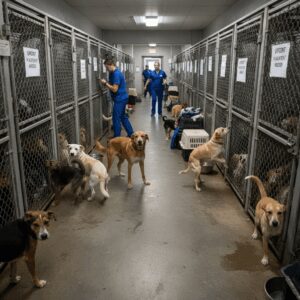
You walk into the shelter on Saturday afternoon with genuine intentions. You see a dog that catches your eye, and within hours, you’re signing adoption papers. Same-day adoption happens more often than you’d think—and while it can work out beautifully, it can also lead to heartbreak if you miss critical behavioral warning signs during that single visit.
The pressure is real. Shelters use urgency tactics like “this dog leaves today” or “we’re at capacity,” and emotionally, you want to save a life. But rushing into dog adoption without assessing temperament and behavior is one of the leading causes of returns and failed placements. The good news? You can learn to spot behavioral red flags in a single shelter visit—if you know exactly what to look for.
This guide gives you a practical, evidence-based framework for evaluating a dog’s behavior during a same-day adoption scenario, so you can make confident decisions without increasing the risk of returns or mismatches.
Why Same-Day Adoption Requires Extra Caution
Same-day adoption removes the buffer that typical adoption timelines provide. You don’t have days to observe a dog’s behavior patterns, ask follow-up questions, or consult with trainers. You have one visit—sometimes just minutes—to determine if this dog is right for your household.
According to trainer Kenny, one of the most critical mistakes adopters make is lacking self-honesty about their capacity to manage behavioral issues. When you’re under time pressure, it’s even easier to rationalize red flags or convince yourself you can “work through” a problem.
The stakes are high: dogs returned to shelters experience trauma and stress, and adopters who find themselves in over their heads often give up on training or management strategies. Same-day adoption can work—but only if you’re trained to recognize what you’re actually looking at.
Red Flag #1: Lack of Friendliness and Aggression Signals
Before anything else, observe how the dog responds to you and shelter staff. A dog exhibiting aggressive tendencies—growling, baring teeth, stiff body posture, or lunging—is a major red flag, especially for first-time adopters.
Watch for these specific behavioral cues:
- Continuous barking or growling when you approach
- Stiff, tense body posture (not relaxed)
- Whale eye (showing whites of eyes)
- Ears pinned back or forward in an aggressive position
- Refusal to take treats from your hand
The shelter may use careful language like “protective” or “selective with people” to downplay aggression. Don’t fall for it. Ask direct questions: “Has this dog ever bitten anyone? Does this dog growl when eating? Is this dog comfortable being touched?”
If a dog prefers to be the sole pet in a household, that’s not necessarily a dealbreaker—but it requires honest assessment. Do you have other pets? Can you manage careful introductions and safety measures? If not, this dog isn’t the right fit.
Red Flag #2: Extreme Stress and Shutdown Behavior
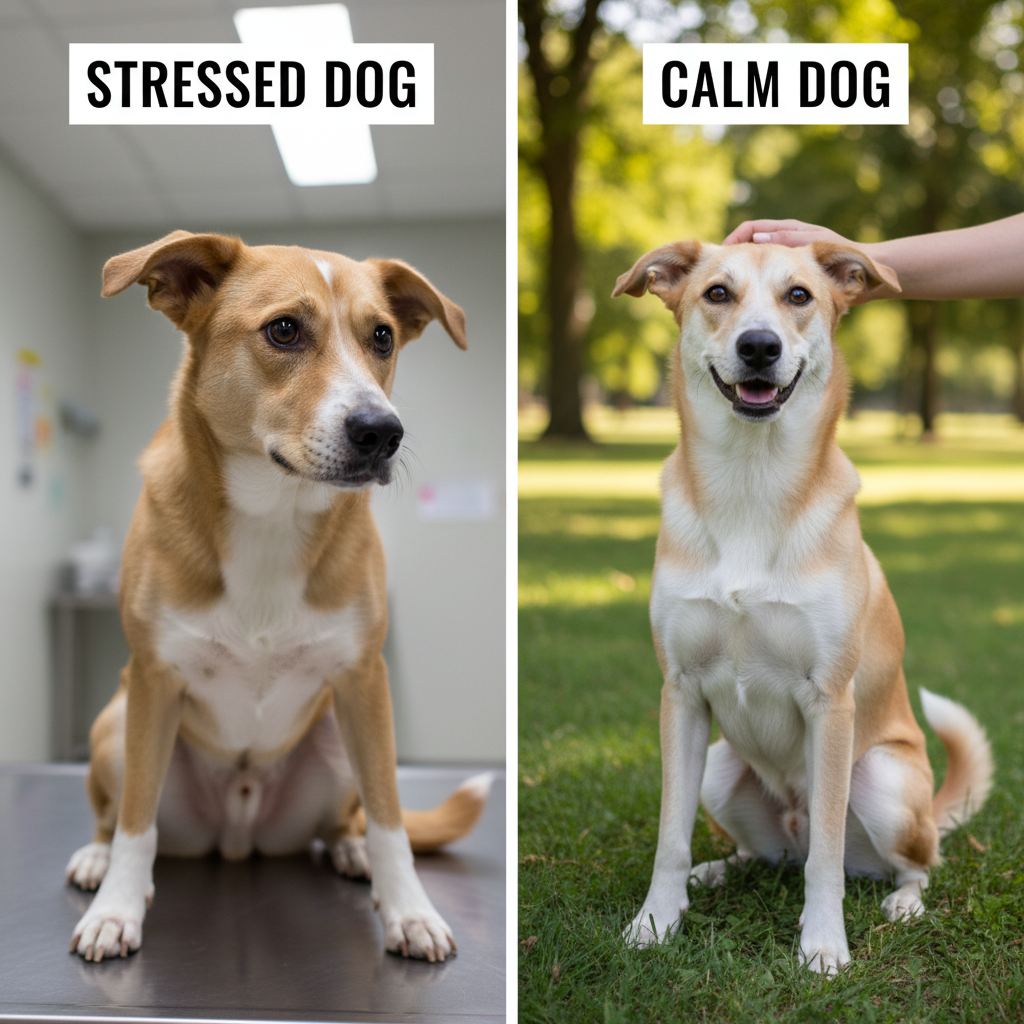
Interestingly, a dog that seems too calm can also be a warning sign. Extreme shutdown behavior—where a dog appears listless, won’t engage, or seems completely disconnected—may indicate severe stress, trauma, or learned helplessness.
During your visit, the dog should show at least some interest in you, the environment, or toys. A dog that shows zero engagement might be dealing with trauma that requires specialized rehabilitation—something most same-day adopters aren’t equipped to handle.
Look for signs of stress:
- Trembling or shaking
- Panting excessively (when the shelter isn’t hot)
- Refusing to eat treats
- Hiding or cowering in the corner
- Avoiding eye contact completely
Ask the shelter: “How long has this dog been here? How does this dog typically behave after a few days?” A dog’s behavior on day one in a shelter is often not representative of their true personality.
Red Flag #3: Separation Anxiety Indicators
Separation anxiety is a panic disorder, not just emotional attachment. A dog with true separation anxiety can injure themselves, destroy property, and experience genuine psychological distress when alone.
During your shelter visit, observe what happens when staff members step away or when you move to a different room:
- Does the dog follow you obsessively?
- Does the dog panic when you’re out of sight?
- Does the dog show excessive vocalization when separated?
- Does the dog refuse to engage with toys unless you’re present?
Ask directly: “How does this dog react when left alone? Has this dog destroyed anything? Does this dog have accidents in the crate?” If you work full-time or travel frequently, a dog with separation anxiety will be a constant source of stress and expense (behavioral trainers specializing in separation anxiety charge $1,500–$5,000+ for treatment programs).

Red Flag #4: Mismatch Between Exercise Needs and Your Lifestyle
A high-energy dog that doesn’t receive adequate physical activity becomes destructive, anxious, and difficult to manage. This is one of the most common reasons adoptions fail.
During your visit, ask about the dog’s exercise requirements specifically:
- How much daily exercise does this dog need?
- What type of exercise (walks, running, mental stimulation)?
- Does this dog have a history of destructive behavior when under-exercised?
- What’s this dog’s energy level in the shelter right now?
Be brutally honest with yourself. If you work 8 hours a day and live in an apartment, a high-energy border collie or husky is not a match—no matter how much you love the dog. Energetic breeds require more than brief walks; they need structured training, puzzle toys, and mental engagement.
Red Flag #5: Downplayed or Vague Behavioral History
Shelters and rescues should have clear documentation about where the dog came from, their personality, behavior, age, and breed. If basic information is missing or vague, that’s a major red flag.
Ask these specific questions:
- “Where did this dog come from? Was this dog surrendered or found?”
- “What do you know about this dog’s previous living situation?”
- “Has this dog shown any resource guarding, food aggression, or toy guarding?”
- “Are there any known health issues or behavioral concerns?”
If staff use euphemistic language—”protective,” “spirited,” “needs an experienced owner”—push back. Ask what those terms actually mean in behavioral terms. A dog described as “protective” might be dog-aggressive, people-aggressive, or territorial. You need specifics, not marketing language.
Red Flag #6: Pressure Tactics and Lack of Vetting
Legitimate shelters and rescues vet adopters. They ask questions about your household, your experience with dogs, your living situation, and your expectations. If you can walk out with a dog after paying an adoption fee with zero questions asked, that’s a red flag.
Be equally cautious of shelters that use high-pressure tactics:
- “You need to take this dog today or it’s being euthanized.”
- “This is your only chance to adopt this dog.”
- “Nobody else will take this dog.”
- “We’re at capacity and need to move dogs today.”
These statements may be emotionally compelling, but they’re designed to bypass your rational decision-making. A reputable shelter will give you time to think, answer your questions honestly, and allow a trial period or return policy if the adoption doesn’t work out.
Your Same-Day Adoption Checklist
Before you sign adoption papers, use this checklist:
- Spend at least 30 minutes with the dog in different environments (shelter room, outdoor area, quiet space)
- Observe body language for signs of aggression, stress, or shutdown
- Ask direct behavioral questions and don’t accept euphemistic answers
- Request a trial period (14–30 days) with a return option if the fit isn’t right
- Get written documentation of the dog’s history, medical records, and known behavioral issues
- Confirm the shelter’s return policy before signing
- Plan for a vet visit within 48 hours to check for health issues
- Budget for training support if behavioral issues emerge ($50–$150 per session for group classes, $100–$300+ for private training)
The 3-3-3 Rule: Realistic Expectations Post-Adoption
Even with careful assessment, understand that a dog’s behavior during a shelter visit doesn’t always reflect their true personality. The 3-3-3 rule describes a dog’s adjustment timeline: three days to decompress, three weeks to settle in, and three months to fully bond and feel comfortable.
During those first three months, behavioral issues may emerge that weren’t visible in the shelter. This is normal—not a sign you made a mistake. What matters is whether you’re prepared to work through the adjustment period with patience, training support, and realistic expectations.
Making the Same-Day Decision with Confidence
Same-day adoption doesn’t have to be reckless. By training yourself to observe specific behavioral cues, ask direct questions, and honestly assess your own capacity, you can make confident decisions that work for both you and the dog.
The goal isn’t to be overly critical or reject every dog with minor quirks. It’s to distinguish between manageable behavioral challenges and red flags that indicate a poor match. A dog that’s nervous but shows interest in you and responds to treats is very different from a dog that shows aggression or complete shutdown.
When you adopt with eyes wide open—understanding the dog’s actual behavioral profile and your genuine capacity to manage it—you’re setting up both yourself and the dog for success. That’s when same-day adoption becomes not a rushed decision, but a confident one.
Unlock Full Article
Watch a quick video to get instant access.