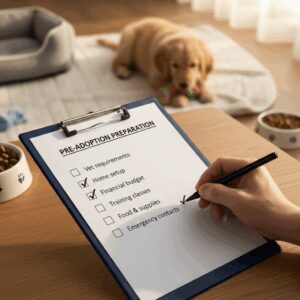
Thinking About Walking Out With a Dog Today? How to Make a ‘Love at First Sight’ Adoption Actually Work in 2025
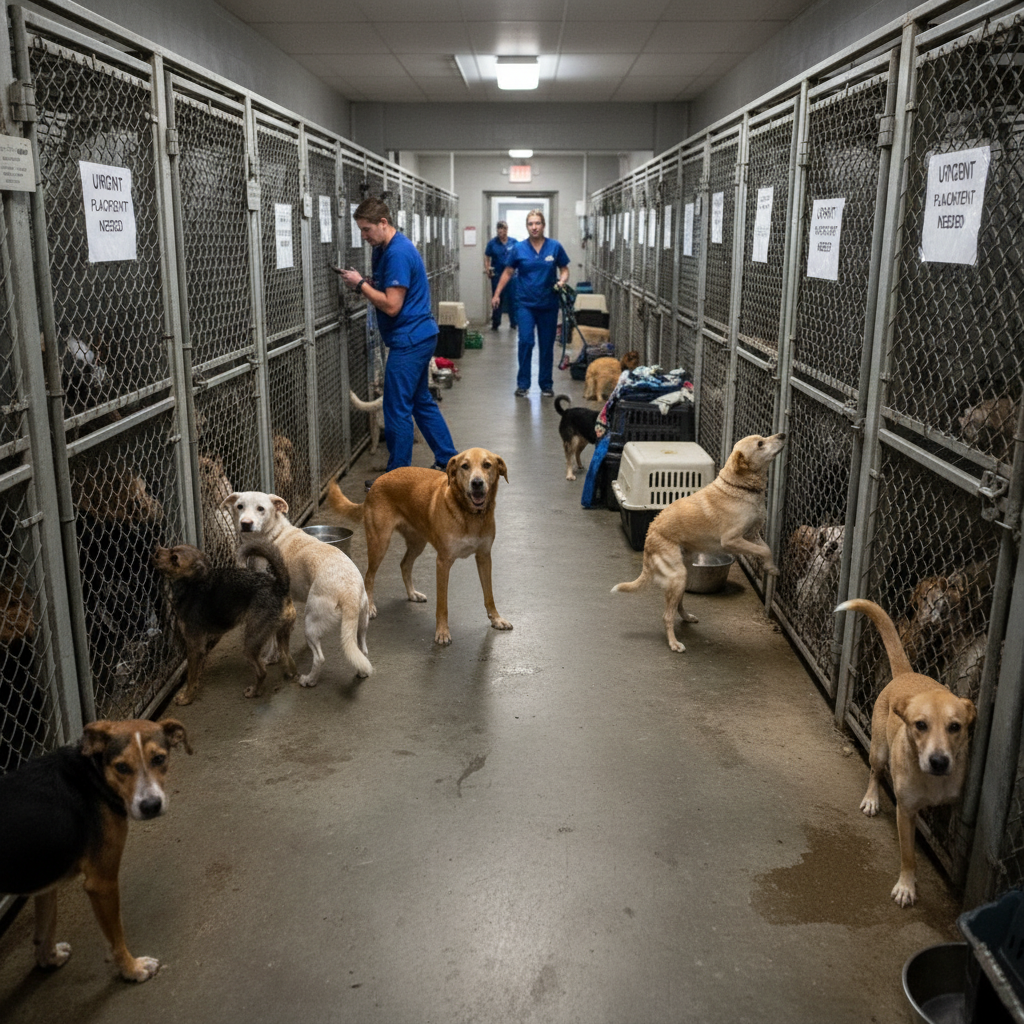
Overcrowded shelters, waived-fee adoption events, and glossy pet profiles on your phone make it easier than ever to meet a dog in the morning and fall asleep with them snoring at your feet that same night. In 2025, fast adoptions are actively encouraged to relieve packed kennels—but that doesn’t mean you should treat bringing home a dog like a flash sale on sneakers.
If you’re tempted by a “take home today” pup, this guide shows you how to move quickly without being reckless—so you help a shelter in crisis and still choose a dog that fits your life six months from now, not just six minutes from now.

The New Reality: Shelters Are Packed, Timelines Are Shorter
Across the U.S., shelters report longer average stays and higher intake, especially for medium and large dogs. Many organizations now build speed into their process: the San Francisco SPCA explicitly promotes that you can meet requirements and go home with your pet the same day if all checks out.[2] Pasadena Humane asks adopters to arrive prepared to take their new pet home on the spot, shifting unaltered animals into foster-to-adopt until surgery.[3] The ASPCA notes that some groups still use multi-day screening, but same-day placements are increasingly standard in 2025.[5]
At the same time, big events like California Adopt-a-Pet Day waive adoption fees for thousands of animals for a single weekend, creating huge urgency spikes and real scarcity—some shelters clear entire dog wings in hours.[7] That’s great news for dogs in kennels and for your wallet, but it magnifies the risk of impulsive choices.
The goal is not to slow the system down—it’s to make sure your decision is faster and smarter.
Step 1: Decide Your “Non‑Negotiables” Before You Step into a Kennel
Walking into an overcrowded shelter without a plan is like grocery shopping hungry: everything looks perfect, and you forget what you actually needed. Set hard rules ahead of time.
Define Your Lifestyle Constraints
Before you even browse online profiles, write down:
- Maximum size: In an apartment with stairs? You may want to cap at 40–50 lb.
- Energy level: Are you realistically ready for a 2–3 walk/day adolescent dog, or is a 6-year-old couch buddy smarter?
- Dealbreakers: No dogs who can’t live with kids? Need a dog tested with cats? Non-negotiables protect you and the dog from a failed match.
Many shelters pre-label dogs as “Go-Getter,” “Medium Energy,” or “Laid-Back.” Use those labels plus staff notes, but also insist on seeing the dog outside the kennel—even 10 minutes in a meet-and-greet yard can reveal if this is a dog who wants to sprint or snuggle.
Align Your Budget with Real Numbers, Not Vibes
Fee-free events and sponsored adoptions can distort your sense of cost. Saving $150 at the counter feels amazing—but first-year ownership can easily reach $1,000–$2,000 when you add food, gear, and vet care.
Typical 2025 adoption fees at major shelters run roughly:
- $100–$150 for adult dogs at groups like Best Friends in Los Angeles.[9]
- $300 for puppies at Pasadena Humane (includes spay/neuter, vaccines, microchip, and more).[3]
Events like California Adopt-a-Pet Day often waive these fees entirely for a day, thanks to ASPCA grants.[7] Think of the saved fee as a cushion for your first vet visit or quality equipment—not as a reason to grab the first cute face you see.
Step 2: Use the Shelter System’s Speed Features—Without Getting Steamrolled
Most busy shelters now optimize for throughput. Properly used, those systems can actually help you make a more thoughtful same-day decision.
Pre‑Shop Online Like a Pro
Many shelters encourage you to browse adoptable dogs online and arrive with a shortlist.[1][2][3] The night before you visit:
- Save 3–5 dog profiles that meet your size/energy rules.
- Note their ID numbers on your phone.
- Read behavior notes twice—phrases like “still learning about leash manners” are common, but “requires experienced handler” or “no other pets” are major signals.
Beat the Line with Concierge or First‑Come Programs
Some organizations offer premium-feeling, high-touch appointments early in the day. Pasadena Humane’s “concierge adoptions,” for example, run 9:30–11:00 a.m. with one-on-one counseling and structured meet-and-greets before walk-in crowds.[3] Other shelters, like the San Francisco SPCA, prioritize adoption counselors to quickly match you once you arrive.[2]
If you want to adopt same-day responsibly, that early slot is gold: you get more staff time, quieter dogs, and less pressure from people eyeing the same dog over your shoulder.
Understand Holds, Pre‑Adoptions, and Foster‑to‑Adopt
To move dogs faster and still respect legal holds and medical needs, shelters use several tools that work in your favor:
- Pre‑adoption holds: Some counties (like Madera in California) let you “pre-adopt” a dog still on its 72‑hour stray hold by putting down a deposit in cash.[1] If an owner claims the dog, you get your money back or transfer it to a different pet.
- Foster‑to‑adopt: If your chosen dog needs spay/neuter, you may bring them home as a foster until surgery, then finalize adoption—Pasadena Humane uses this model.[3]
- Short-term foster/“Doggy Day Out”: Programs like Mutual Rescue’s Doggy Day Out let you take a dog out for a few hours or an overnight without committing yet, and data shows those dogs are 5× more likely to get adopted after day trips and 14× more likely after 1–2 overnights.[6]
Leaning into these tools gives you real-world data on the dog—how they behave in your car, home, or neighborhood—while still moving the animal out of a kennel ASAP.
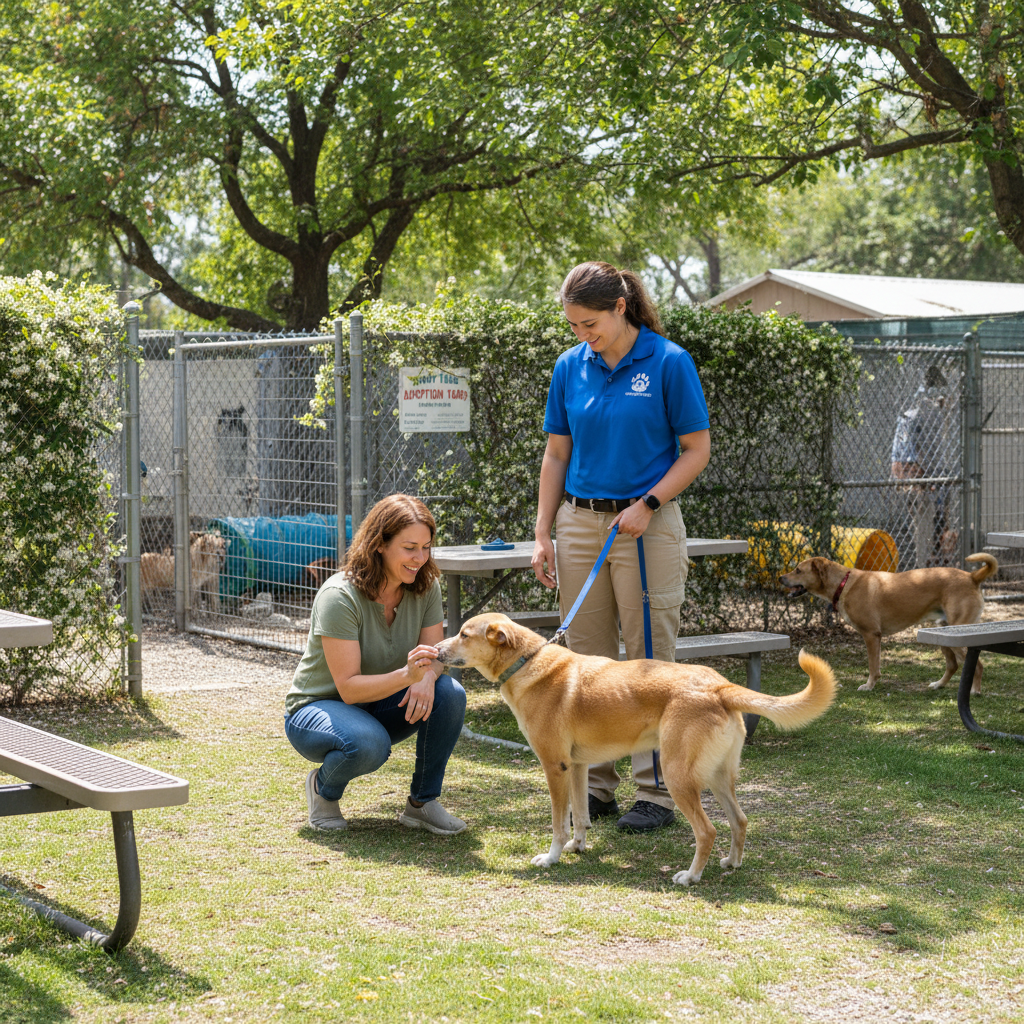

Step 3: Come Geared Up So a Same‑Day Adoption Isn’t Chaotic
Walking out with a dog the same day feels a lot less risky when you’ve already assembled a starter kit. That way, you’re not panic-buying whatever is left on a Sunday night Petco shelf.
Core Gear You Should Have in Your Car
- Adjustable harness: A front‑clip model like the PetSafe Easy Walk Harness (~$25–$35) gives you more control over a dog you barely know compared to a collar alone.
- 6 ft leash: Skip retractables for week one; a sturdy nylon leash like the Blue-9 Balance Leash (~$20) is safer and easier to manage.
- Crate: For medium dogs, a folding wire crate such as the MidWest Life Stages 36″ Crate (~$60–$80) can save your furniture and give the dog a calm space night one.
- Food starter: Most shelters will tell you what kibble they’re using. Grab a small bag of something similar (e.g., Purina Pro Plan Adult Shredded Blend, ~$20–$25 for 6 lb) to avoid gut issues from a sudden switch.
- Chew toys & enrichment: A classic KONG Classic (Medium, ~$12–$15) stuffed with kibble can occupy a stressed dog far better than a random plush toy.
Some shelters sell these items on-site. Pasadena Humane’s Shelter Shop, for example, offers carriers, collars, and harnesses if you arrive unprepared.[3] Still, bringing your own lets you skip lines and use your fee savings to invest in higher-quality gear.
Price Anchor Your Dog Budget
Instead of telling yourself “a dog is expensive,” anchor against specifics:
- Quality harness + leash set: ~$45–$60
- Crate: ~$60–$80
- Initial vet exam if not included: often $60–$120
- Training class bundle (3–6 sessions): commonly $150–$250
When a shelter event waives a $150 fee, you can mentally earmark that for training instead of seeing it as “free money.” That framing nudges you toward long-term investment, not just short-term excitement.
Step 4: Use the Shelter’s Expertise Like a VIP, Not a Walk‑In Customer
In 2025, most reputable shelters have adoption counselors whose entire job is to prevent mismatches. The San Francisco SPCA and Pasadena Humane both emphasize staff-led matchmaking, first-come systems, and counselor-facilitated meet-and-greets.[2][3] Treat them as consultants, not gatekeepers.
Questions to Ask Before You Say “Yes”
In your meet-and-greet, ask:
- “What do volunteers say about this dog when they’re out of the kennel?” (Volunteers often know the ‘real’ personality.)
- “Have you done any dog-dog or cat tests?”
- “What’s the biggest challenge you foresee in the first 30 days?”
- “If this dog doesn’t work out, what is your return or exchange policy?” (Some shelters offer 10–30 day windows to swap or return, like Madera’s 30-day exchange option.)[1]
Good counselors will answer directly—even highlighting reasons not to adopt a particular dog today. That honesty is your best insurance policy.

Step 5: Make the First 72 Hours Feel Like a Soft Launch, Not a Grand Opening
The first three days with a shelter dog should be about decompression, not performance. Many groups frame this as the “3‑3‑3 rule” (3 days to decompress, 3 weeks to settle in, 3 months to feel home).
Practical 72‑Hour Plan
- Day 1: Keep things boring. Short walks, one or two rooms of access, basic house rules (where to sleep, where to potty). Let the dog explore at their own pace.
- Day 2: Introduce a simple routine—wake, walk, feed, quiet time. Use the crate or a baby gate instead of free-roaming if you’re not watching.
- Day 3: Add a bit more enrichment (snuffle mat, stuffed KONG) and maybe a new room. Save dog parks and high-energy socializing for later.
If your shelter offers a training or support program—some, like Paws for Life K9’s Shelter Paws For Life in Los Angeles, provide free post-adoption training for eligible dogs—sign up before you leave the building.[8] Locking that in on day one uses your burst of motivation before life distractions creep back in.
When Saying “Not Today” Is Still a Win for Dogs
Sometimes the most responsible same-day decision is choosing not to adopt that day—especially at high-pressure, fee-waived events. You can still have a massive impact by:
- Joining a “Doggy Day Out” roster at a local shelter.[6]
- Signing up as a short-term foster, which directly clears kennel space.
- Sponsoring an adoption fee for a dog who keeps getting passed over.
Those options give shelters breathing room in an overcrowded system and put you in a front-row seat for future adoptions—often with priority access to dogs you’ve already fostered or walked.
Your Next Move: Turn That Impulse Into a Plan—Today
If you’re already scrolling adoptable dogs, you are exactly the person shelters in 2025 are hoping will show up—prepared, thoughtful, but ready to act. Here’s how to channel that energy right now:

- Pick 2–3 local shelters and skim their adoption process pages so you know if they offer same-day placements, pre-adoptions, or foster-to-adopt.[1][2][3]
- Build a quick gear checklist and stash a harness, leash, and blanket in your car.
- Write your non-negotiables in a notes app and keep them open when you walk through the kennels.
Overcrowded shelters don’t need more impulsive adoptions; they need fast, solid commitments. If you prepare before you ever lock eyes with that dog behind the gate, you can walk out the very same day with a decision you’ll still be proud of in 2030.
Unlock Full Article
Watch a quick video to get instant access.