You’ve Found Your Perfect Match—Now What? A Real-Time Action Plan for Same-Day Dog Adoption
The moment you lock eyes with your future best friend at the shelter, time suddenly feels precious. You want to take them home today. But rushing into same-day adoption without a solid plan can lead to stress, unexpected costs, and a rough transition for both you and your new companion. This checklist ensures you walk out with everything you need and the confidence to handle those critical first 48 hours.
Here’s what separates prepared adopters from overwhelmed ones: a practical, same-day-specific action plan. Let’s build yours.
Documents and Information to Bring to the Shelter (or Verify Before Pickup)
Before you even approach the adoption counter, have these items ready or know where to find them:
Critical Documents
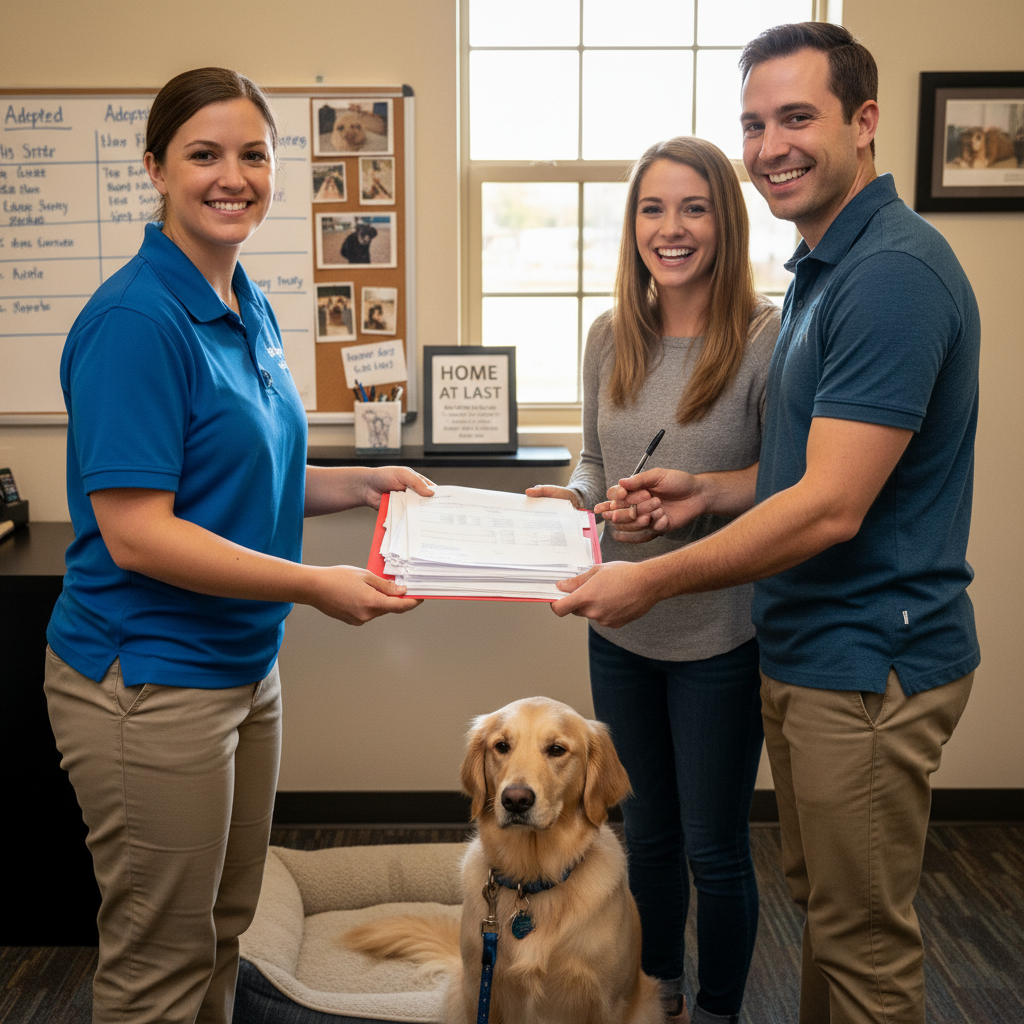
Photo ID and proof of address: Shelters require these to verify you’re a legitimate adopter. A driver’s license and recent utility bill work perfectly. Don’t assume you can go back home to grab them—some shelters won’t hold a dog while you run errands.
Veterinary references (if you’re a current pet owner): Some shelters ask for your vet’s contact information to confirm you’re a responsible pet parent. Have your vet’s phone number handy.
Microchip registration proof: Ask the shelter to provide the microchip number and the database company’s contact information before you leave. Write this down immediately. According to adoption experts, microchipped dogs have a 93% return rate if lost, but only if the information is current.
Medical records: Request copies of any vaccinations, health checks, or behavioral assessments the shelter has completed. This saves your vet time and money on redundant tests.
The Critical Questions to Ask Shelter Staff (Before Adoption Is Final)
These questions take 10 minutes but prevent months of problems:
Health and behavior: “What’s this dog’s complete medical history? Any chronic conditions, allergies, or medications?” “Has the dog shown any aggression, anxiety, or fear-based behaviors? How does the dog react to children, other pets, or loud noises?”
Diet and routine: “What brand and type of food has this dog been eating?” Sudden diet changes cause digestive upset. Ask for a small bag of their current food to transition gradually over 7-10 days.
Training and commands: “What commands does this dog know? What’s worked best for motivation—treats, toys, praise?” This jumpstarts your training immediately.
Crate and house training status: “Is the dog crate trained? How often do they need bathroom breaks? Any accidents in the shelter?”
Adoption support: “Does your shelter offer a trial period or return policy if things don’t work out?” Some shelters, like Young-Williams Animal Center, offer pre-adoption programs allowing you to take the dog home for up to three days before finalizing the adoption—a massive advantage for same-day decisions.
Physical Supplies to Purchase Before (or Immediately After) Pickup
Budget $150-$300 for essentials. Here’s what you actually need versus what’s nice-to-have:
Non-Negotiable Day-One Items
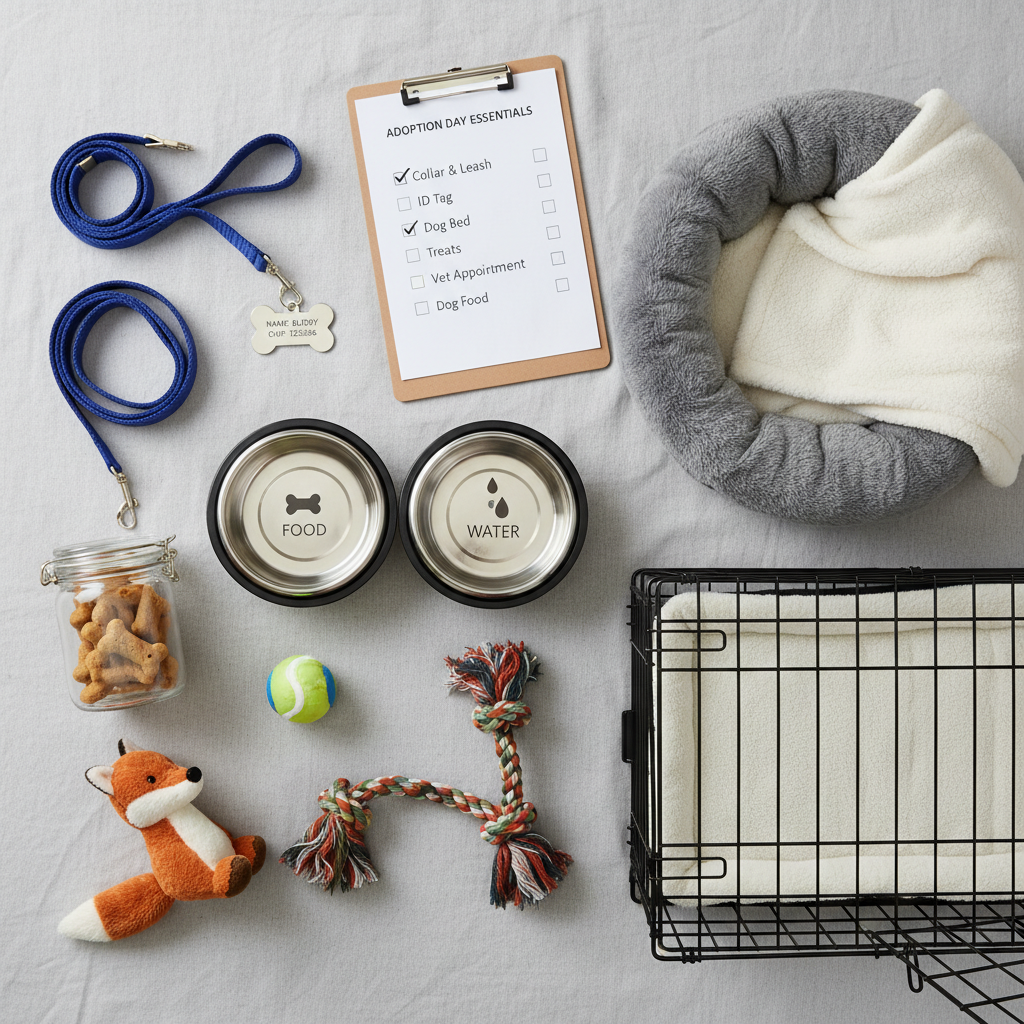
Collar, leash, and ID tag ($40-$80): A standard 6-foot leash and adjustable harness (especially for rescue dogs) prevent escape during the vulnerable first days. An ID tag with your phone number is critical—even microchipped dogs need visible identification. Engraved tags cost $10-$20 and can be ordered online or at most pet stores within hours.
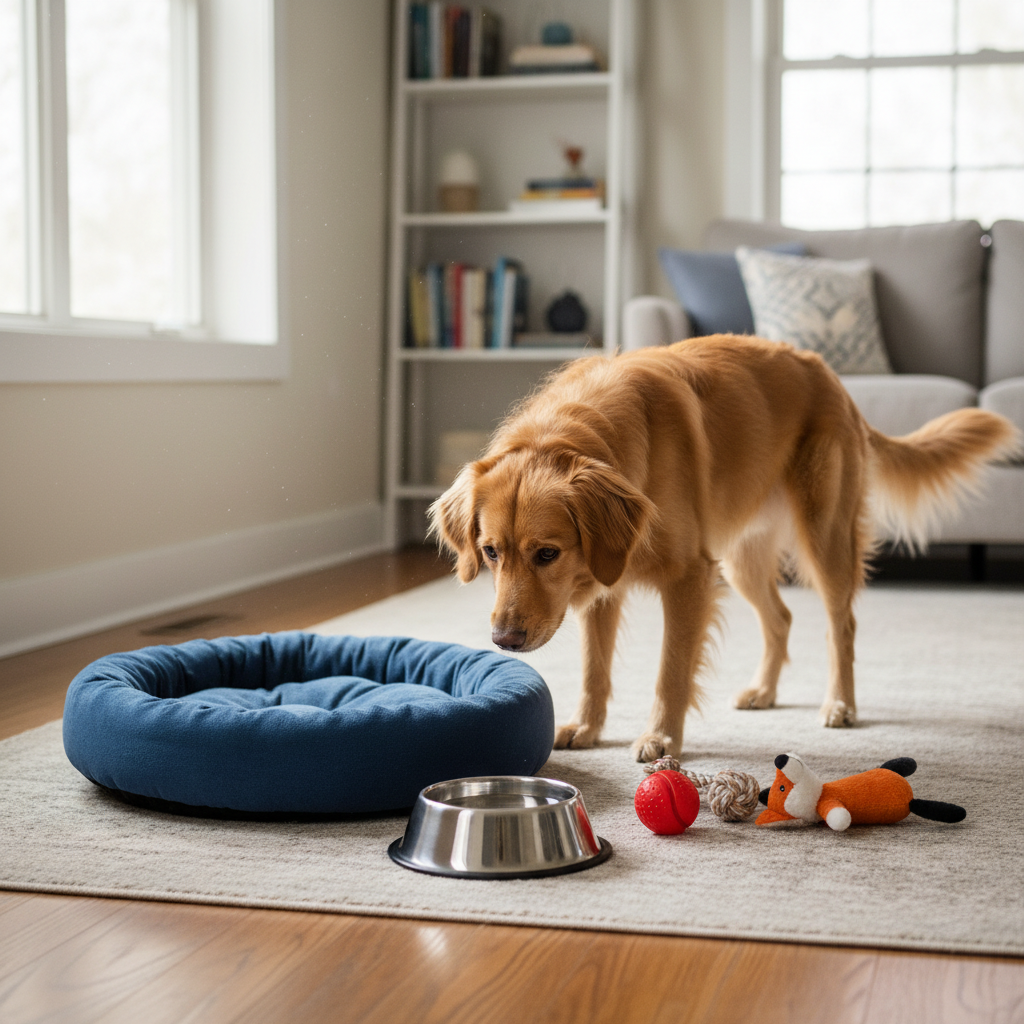
Food and water bowls ($15-$30): Stainless steel bowls are durable and easy to clean. Buy two sets so one can be washed while the other is in use.
Dog food ($20-$40): Purchase the exact brand the shelter provided, plus extra. If you want to switch foods later, your vet can guide a gradual transition that avoids digestive issues.
Dog bed ($30-$60): A washable bed provides comfort and a designated rest area. Aim for something large enough for your dog to sprawl out on. Having multiple resting areas reduces anxiety.
Crate (if crate training) ($40-$100): A properly-sized crate becomes your dog’s safe den. It’s essential for house training and prevents destructive behavior when unsupervised. Wire crates are affordable and collapsible; hard plastic carriers work too.
Smart Additions for the First Week
Training treats ($10-$15): Small, soft treats work best for frequent rewards during those first days. Brands like Zuke’s Mini Naturals and Greenies are popular with trainers.
Toys for mental stimulation ($20-$40): A Kong, puzzle toy, or rope toy keeps your dog engaged and reduces anxiety-driven behaviors.
Grooming basics ($25-$40): Dog shampoo, nail clippers, and a brush. You won’t use these immediately, but having them prevents emergency runs to the store.
The First 48 Hours: A Timeline That Works
Hours 1-4 (Arrival home): Keep things calm and quiet. Limit excitement and visitors. Let your dog explore at their own pace. Introduce them to their designated potty spot outside and celebrate any success with treats and praise. Avoid the dog park or neighborhood children—overwhelming stimulation triggers anxiety and escape attempts.
Hours 4-24: Establish a feeding and bathroom routine. Dogs typically need to go out after waking, eating, and playing. Take your dog to their potty spot on a consistent schedule. Don’t comfort whining when your dog is alone—instead, reward calm behavior like chewing a toy or resting quietly. This prevents learned helplessness and separation anxiety.
Within 24-48 hours: Schedule a vet appointment. Even if the shelter provided a health check, your vet needs a baseline exam and a forward-looking care plan. Save emergency vet numbers in your phone now—don’t wait for a crisis.
The Money-Smart Same-Day Adoption Strategy
Same-day adoption costs more than you’d expect. Budget realistically:
Adoption fee: $50-$200 (varies by shelter)
Essential supplies: $150-$300
First vet visit: $100-$300
Total first-week investment: $300-$800
This upfront cost prevents costly mistakes. A dog that doesn’t transition smoothly might develop behavioral problems costing thousands in training. A health issue missed on day one could escalate. Spending $300 on supplies and a vet visit is cheap insurance.
Your Same-Day Adoption Advantage: The Preparation Edge
Adopters who use this checklist report smoother transitions, fewer behavioral issues, and stronger bonds with their dogs. The secret isn’t luck—it’s removing decision-making stress by preparing in advance.
Print this checklist, take it to the shelter, and check off each item. When you drive home with your new companion, you’ll have everything they need and the confidence to handle what comes next.
Your dog is waiting. Are you ready?
Unlock Full Article
Watch a quick video to get instant access.