Your $5M Home Is Probably Underinsured: The 2025 Coverage Gap Checklist High-Net-Worth Homeowners Can’t Ignore
The Silent Financial Disaster Hiding in Your Policy
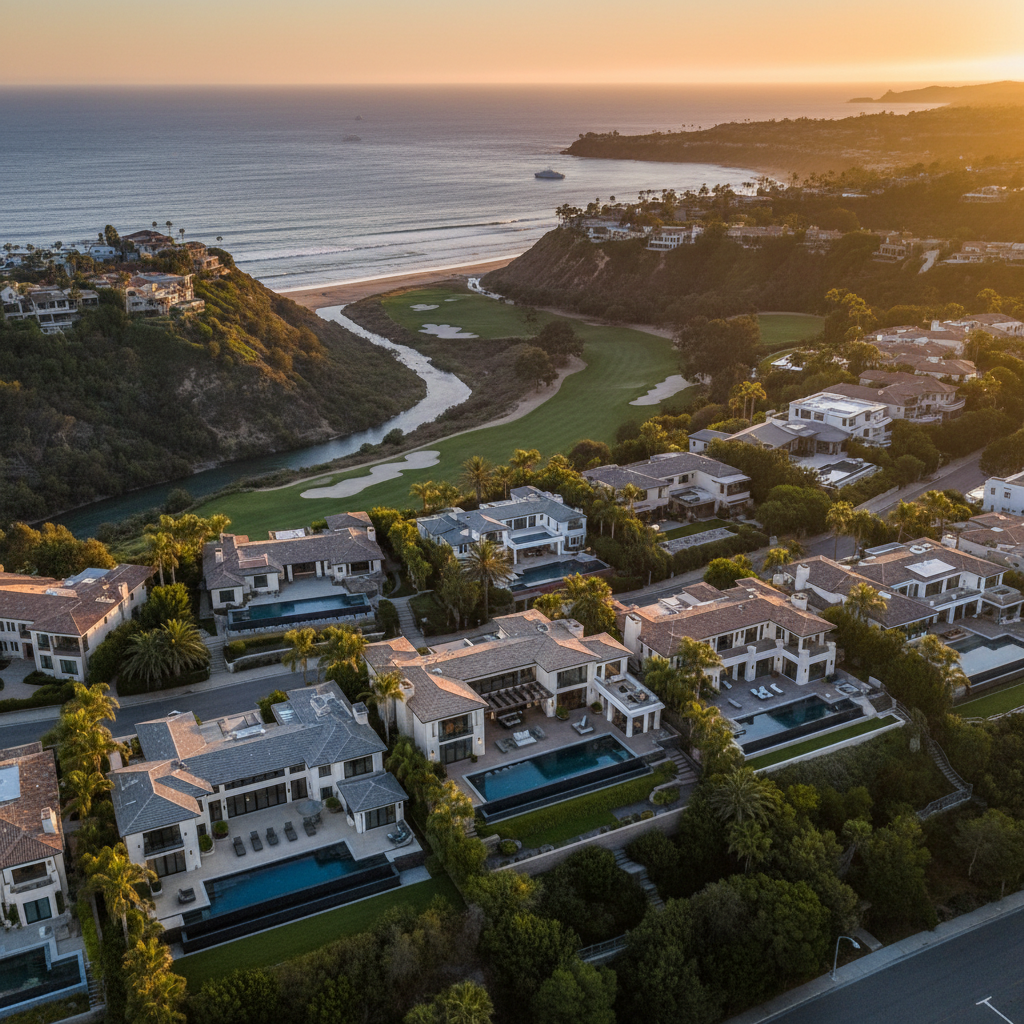
You’ve built substantial wealth. Your home reflects that success—a $2 million estate in Montecito, a $5 million property in Malibu, or a $10 million compound in Napa Valley. Yet there’s a dangerous gap between what you think you’re protected for and what you’d actually receive if disaster struck.
The numbers are staggering: over two-thirds of U.S. homes are currently underinsured, and the problem is exponentially worse for high-value properties.[3] When a $10 million estate in Pacific Palisades faces a wildfire and the homeowner discovers their policy caps dwelling coverage at $3 million, they’re facing a $7 million uninsured loss.[1] This isn’t hypothetical—it’s happening right now in affluent communities across America.
The culprit? A perfect storm of construction cost inflation, tightening insurance markets, and coverage limits that haven’t kept pace with reality. Between 2018 and 2022, homeowner insurance premiums grew 8.7% faster than inflation itself.[5] But here’s what most high-net-worth homeowners don’t realize: their premiums increased while their actual coverage protection actually decreased or remained static.
Why Construction Inflation Is Your Biggest Enemy
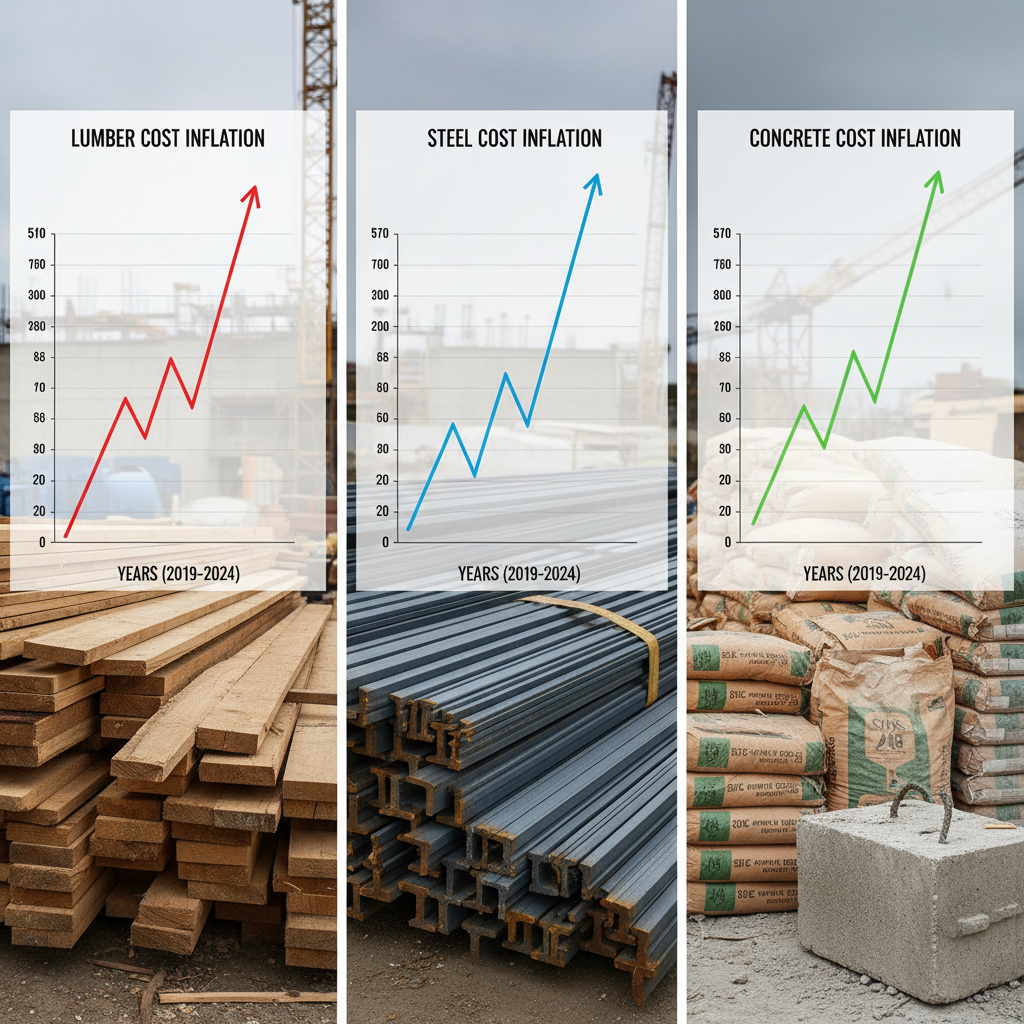
Building materials and labor costs have exploded. Lumber, concrete, electrical components, and skilled trades have all surged in price over the past five years. A home that cost $100,000 to rebuild in 2015 might cost $200,000 or more today.[5] Yet many homeowners haven’t updated their replacement cost estimates since their policy was issued.
This creates a vicious cycle: your home’s market value climbs, but your insurance dwelling limit stays frozen. Your $3 million coverage limit looked adequate in 2020. In 2026, it covers perhaps 60% of actual rebuild costs for a luxury property with custom finishes, smart home systems, and high-end materials.[2]
State Farm explicitly recommends customers include inflation guards in their policies, citing “rising labor, materials and transportation costs” as drivers of sharply increased rebuild values.[5] Yet fewer than half of high-value homeowners have activated this protection.
The Three Paths Forward—And Why Most High-Net-Worth Homeowners Choose Wrong
When standard homeowners insurance becomes unavailable or inadequate, affluent homeowners face three options, each with critical trade-offs:[1]
Option 1: The California FAIR Plan (or State Pools in Other States)
Maximum dwelling coverage: $3 million. This is your “last resort” option when private insurers won’t touch your risk. Yes, it’s backed by the state guaranty fund. But it’s also basic fire coverage only—no comprehensive protection, no personal property coverage at replacement cost, and premiums that often rival or exceed private market rates despite inferior coverage. For a $10 million home, this leaves you catastrophically exposed.[1]
Option 2: Admitted Carriers with Supplemental Coverage
Premier carriers like Chubb, AIG, and Starr offer HO-5 policies with extended or guaranteed replacement cost. These are ideal—comprehensive coverage that adapts to actual rebuild costs. The problem? Availability is “severely limited or restricted,” particularly in high-risk coastal and wildfire zones.[1] After Chubb aggressively non-renewed policies in Montecito following years of losses, many residents found themselves locked out of this option entirely.[1]
Option 3: Excess & Surplus (E&S) Lines—The New Mainstream
Once reserved for unusual risks, the E&S market has become a critical solution for high-value homes. E&S insurers offer flexible, customizable coverage with higher limits than FAIR Plans. The trade-off? They’re not state-guaranteed, and premiums are substantially higher because coverage is priced for acute risk.[1] A standard home insurance policy averages $2,110 annually for $300,000 in dwelling coverage. High-value policies from premier carriers cost two to three times that amount or more. E&S policies often exceed even those premiums.[1]
Yet for many high-net-worth homeowners, E&S is the only viable path to adequate protection.
Your 2025 High-Value Home Insurance Audit Checklist
1. Verify Your Replacement Cost Estimate (Not Market Value)
Pull your current policy. Find the “dwelling coverage limit.” This number should reflect 100% of what it would cost to rebuild your home from the ground up using comparable materials and finishes—not what you could sell it for.[3][5]
Action: Obtain a professional replacement cost estimate from a licensed contractor. Online tools like those offered by major insurers provide baseline estimates, but for homes over $2 million, a detailed in-person assessment is essential. Budget $500-$1,500 for this assessment. Compare the estimate to your current coverage limit. If coverage falls short by 25% or more, you’re severely underinsured.[3]

2. Activate (or Add) Inflation Guard Endorsements
This is one of the highest-ROI protections available. Inflation guards automatically adjust your dwelling coverage upward each year, typically by 3-5%, to match rising construction costs.[5]
Action: Call your agent or broker today. Ask: “Do I have an inflation guard endorsement active on my policy?” If not, request it immediately. The cost is minimal—typically $50-$200 annually for high-value homes—but the protection is invaluable. Ensure the guard covers both dwelling and personal property limits.
3. Audit Personal Property Coverage for Valuables
Standard policies impose “sub-limits” on jewelry, art, collectibles, and other valuables. A typical HO-3 policy might cap jewelry coverage at $1,500—entirely inadequate if you own a $50,000 watch collection or $200,000 in fine art.[1]
Action: Inventory high-value items in your home. Get appraisals for jewelry, art, antiques, and collectibles worth more than $5,000 each. Request “scheduled personal property” endorsements that list these items individually with agreed-upon values. High-value policies provide blanket coverage or scheduled limits far exceeding standard sub-limits.[1] For items under $50,000, a scheduled endorsement typically costs $300-$800 annually. For items over that threshold, expect $1,000-$3,000+ annually depending on item type and risk profile.
4. Examine Extended Replacement Cost Coverage
Standard policies cap dwelling coverage at the policy limit. Extended or guaranteed replacement cost coverage pays for rebuilding even if actual costs exceed the policy limit—a critical protection in today’s inflationary environment.[1][3]
Action: Review your policy declarations page. Look for “Extended Replacement Cost” or “Guaranteed Replacement Cost.” If absent, contact your broker. High-value policies typically include this as standard, but some carriers limit it to 125% of the dwelling limit. Negotiate for 150% or higher, or switch carriers if your current insurer won’t accommodate.
5. Verify Water and Flood Coverage Isn’t a Blindspot
Standard homeowners policies exclude flood damage entirely. Water damage from burst pipes or roof leaks is covered, but rising floodwaters aren’t. Yet many high-net-worth homeowners assume their “comprehensive” policy covers everything.[8]
Action: Determine your flood risk using FEMA’s flood maps (search your address at fema.gov). If you’re in a high-risk zone or near bodies of water, obtain a separate flood insurance quote. National Flood Insurance Program (NFIP) policies average $500-$2,000 annually for high-value homes, but private flood insurers often offer better rates and higher limits. Get quotes from both before deciding.
6. Review Ordinance or Law Coverage
If your home is damaged, local building codes may require upgrades during reconstruction—new electrical systems, updated HVAC, reinforced framing. These “code upgrades” can add 10-30% to rebuilding costs, and standard policies don’t cover them.[4]
Action: Ask your broker: “What ordinance or law coverage do I have?” Ensure your policy includes at least $250,000-$500,000 in ordinance coverage for homes valued over $3 million. This typically costs $200-$500 annually but protects against six-figure exposures.
The Real Cost of Getting This Right
A comprehensive, properly-insured high-value home policy costs more—sometimes significantly more. For a $5 million home with full extended replacement cost, scheduled valuables, flood coverage, and ordinance protection, expect annual premiums of $8,000-$15,000 from admitted carriers, or $12,000-$25,000+ from E&S markets in high-risk zones.[1][2]
That’s expensive. But it’s far cheaper than facing an uninsured loss. A homeowner with a $10 million estate on the FAIR Plan with a $3 million cap faces $7 million in personal liability if disaster strikes. That’s not a premium problem—that’s a wealth-destruction problem.[1]
Action Steps You Can Take This Week
1. Monday: Request your current policy declarations page and replacement cost estimate from your agent.
2. Tuesday: Contact a licensed contractor for a professional rebuild cost assessment if your home exceeds $2 million in value.
3. Wednesday: Inventory valuables and obtain appraisals for items over $5,000.
4. Thursday: Schedule a call with your broker to discuss inflation guards, extended replacement cost, and any coverage gaps.
5. Friday: If your current carrier can’t meet your needs, request quotes from E&S brokers specializing in high-net-worth properties.
The difference between adequate coverage and catastrophic underinsurance often comes down to a single conversation with your broker—a conversation you should have today, not after a loss.
Unlock Full Article
Watch a quick video to get instant access.