Think you’re getting a sweet deal with “commission-free” fractional shares? Thousands of investors are waking up to slimmer returns because brokers are quietly pocketing money through backdoor tactics. In 2026, as fractional trading explodes with platforms letting you snag pieces of Amazon or Tesla for just $1, the real question isn’t if your broker is earning—it’s how much it’s costing you. This myth-busting guide exposes the hidden revenue streams like payment for order flow (PFOF), spreads, FX markups, subscriptions, securities lending, and cash sweeps, backed by fresh 2026 data. We’ll deliver side-by-side comparisons, expert checklists, and actionable steps to pick the truly cheapest, most transparent platform for your small, frequent buys—before FOMO hits and you overpay[1][2][4].
The ‘Free Trade’ Illusion: Where Brokers Really Cash In
Commission-free sounds revolutionary, right? But dig into 2026 broker disclosures, and you’ll see platforms like Robinhood and SoFi rake in billions via PFOF—selling your orders to market makers who pay them tiny rebates per share. A recent NerdWallet analysis shows Robinhood earned over $1 billion in PFOF in 2025 alone, with fractional trades amplifying the impact on small investors[4]. For a $10 fractional buy of NVDA, that rebate might seem pennies, but scale to weekly DCA (dollar-cost averaging), and it erodes 1-3% of your returns via worse execution prices[1].
Spreads hit harder on illiquid or after-hours trades. Platforms add a markup between bid and ask—think 0.5-3% on crypto-linked fractionals or foreign ADRs. YouTube finance breakdowns warn: A $10 crypto fractional trade can lose 3% instantly to spreads, especially weekends when liquidity dries up[1]. FX markups? If you’re eyeing global stocks via eToro, expect 0.5-1.5% hidden conversion fees on every trade[2].

Don’t sleep on subscriptions either. Robinhood Gold ($5/month) unlocks higher cash interest but pushes margin borrowing at 8-12% rates—easy to activate accidentally[4]. Meanwhile, cash sweeps quietly lend your uninvested dollars for yields they keep most of, paying you peanuts like 0.01-4.5% (Robinhood Gold at 4.5% vs. their 5%+ internal cut)[4]. Securities lending? Brokers loan your shares (even fractionals where possible) to short-sellers, earning 0.1-5% fees annually, sharing scraps with you[1].
2026 Broker Breakdown: Hidden Costs Exposed in Side-by-Side Comparison
Using fresh data from BrokerChooser, NerdWallet, and WallStreetZen, here’s how top fractional platforms stack up. All offer $0 commissions on U.S. stocks/ETFs, but peek behind the curtain[2][3][4].
| Broker | Fractional Min | PFOF/Spreads | Cash Yield | Other Gotchas | Best For |
|---|---|---|---|---|---|
| Fidelity | $1 | Minimal PFOF; tight spreads | 2.7% (high) | No acct fees; full dividends[2][4] | Transparency seekers |
| Charles Schwab | $5 | Low PFOF; S&P 500 only | 0.45% | $0 wires; robo-advisor[5] | S&P fans |
| Robinhood | $1 | Heavy PFOF; crypto spreads 1-3% | 4.5% (Gold $5/mo) | Margin push; ACAT out $100[4] | Active traders |
| Interactive Brokers (Lite) | $1 (high-cap) | No PFOF; low spreads | 4.8% | Pro tools; intl fees[4] | Advanced users |
| SoFi Active | $1 | PFOF; high assisted fee $25 | 4.5% (high) | IRA match 1%; no mutuals[4] | Newbies w/ perks |
| M1 Finance | $1 | No PFOF; pies auto-rebalance | Low (sweeps) | Borrow 2%+; no day trading[2] | Long-term pies |
| Public | $1 | PFOF; transfer rebates $250 | 5.1% (top) | No options screeners[4] | Social investing |
Fidelity and Interactive Brokers shine for minimal hidden drags—NerdWallet’s 2026 Best-of Award winners cite their execution quality and no-fee index funds[4]. Robinhood? Social proof from 20M+ users, but experts slam PFOF for 0.5-2% execution slippage on fractionals[1][4].
Red Flags & Expert Checklist: Spot Cost Traps in 2 Minutes
Finance pros like those at StockBrokers.com urge: If fees aren’t findable in 120 seconds, run[7]. Use this 2026-updated checklist from BrokerChooser research[3]:
- Transparency Test: Search “fee schedule”—clear PDF with examples? Green light. Vague “may apply”? Red[1].
- PFOF Check: Fidelity/IBKR disclose low reliance; Robinhood admits $1B+ revenue[4].
- Execution Quality: Look for average fill price vs. NBBO (National Best Bid/Offer)—top brokers beat by 0.1%[2].
- Cash & Lending: Demand 4%+ yields; avoid sweeps under 2%[4].
- Exit Fees: ACAT out $0-150; Robinhood $100 stings small accounts[1].
- FX/Intl: eToro 1% markup; skip unless necessary[2].
Step-by-Step: Switch to a Low-Cost Platform Today
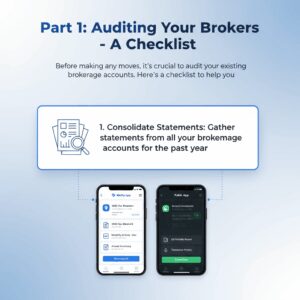
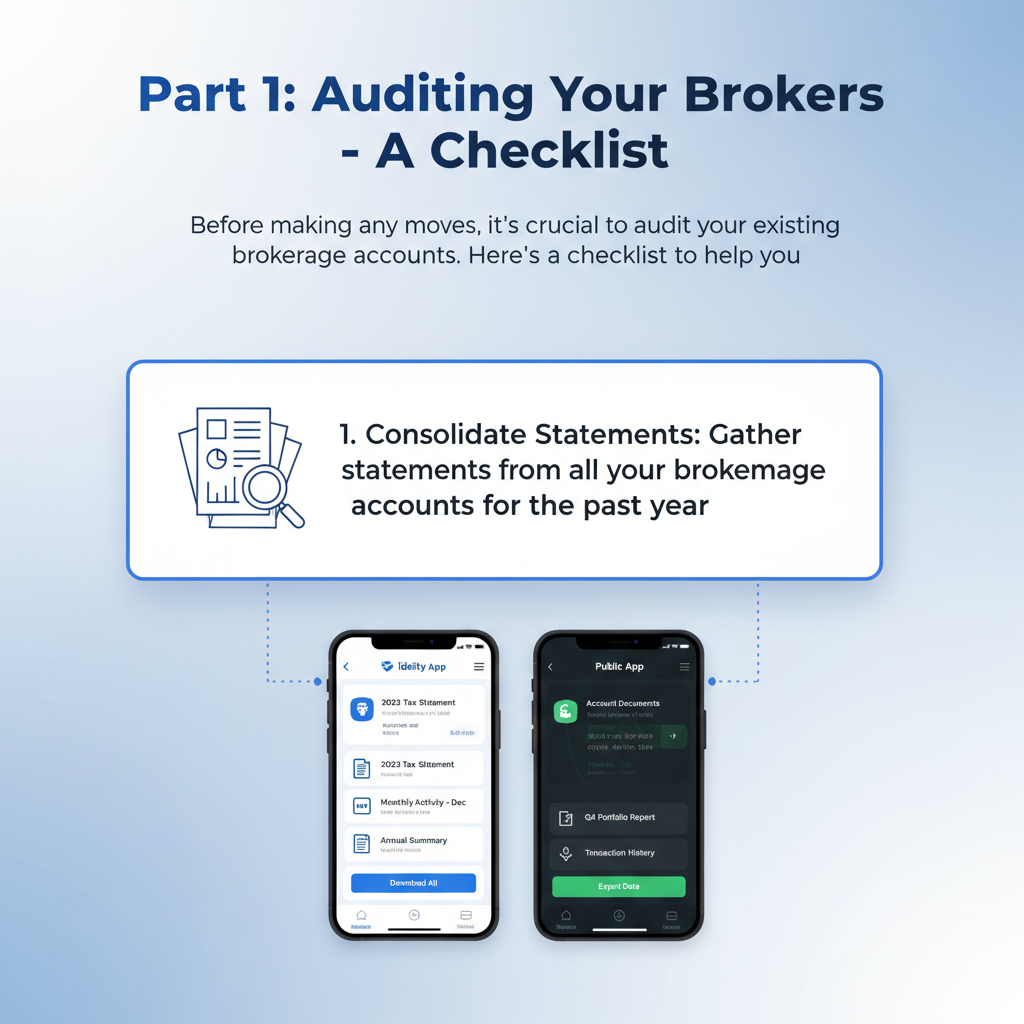
- Audit Current Broker: Download 2025 statements—tally PFOF impact via tools like FlowAlgo (free trial).
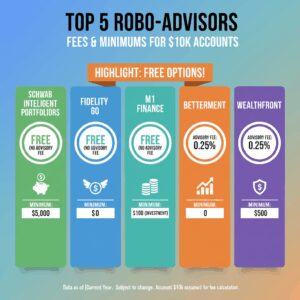
- Compare 3 Options: Fidelity ($1 min, 2.7% cash), Public (5.1% cash, rebates), M1 (pie investing).
- Initiate ACAT Transfer: Free at Fidelity; claim rebates up to $250 at Public[4].
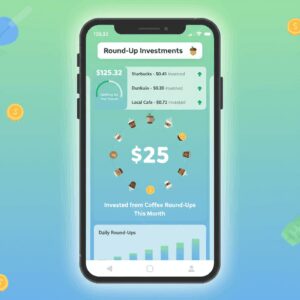
- Set Auto-Invest: $25/week into S&P fractionals—avoid manual trades’ spreads.
- Monitor Monthly: Use app dashboards; opt out of lending if yield <3%.
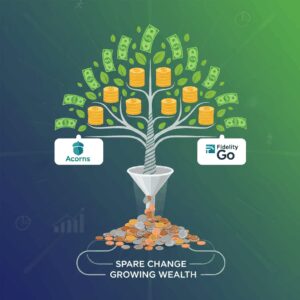
Experts at WallStreetZen recommend Fidelity for beginners: “No extra fees, full dividends on fractionals—perfect for spare change investing”[2]. Interactive Brokers suits pros with global access minus PFOF pitfalls[4].
Trends & Stats: Why 2026 Is the Year to Act
Fractional trading volume hit $500B in 2025 per SEC data, with 40% from under-$10k accounts—but 25% report unexpected costs >2% annually[3]. Urgency alert: Rising rates make cash sweeps lucrative for brokers; lock in high-yield platforms now before cuts. Social proof: Reddit’s r/investing threads praise Fidelity’s switchers saving 1.5% yearly[4]. Scarcity? Limited-time rebates like SoFi’s IRA match (1-3%) end Q2 2026.
Your Move: Claim Transparent Gains Before Costs Compound
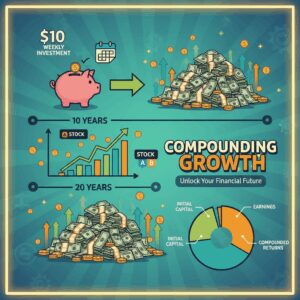
Don’t let hidden fees steal your wealth—top investors like Warren Buffett preach low costs compound massively (e.g., 1% drag = 25% less over 30 years). Start with Fidelity or Public today: Sign up in 5 minutes, transfer free, and auto-invest $10 fractionals in VOO ETF. Thousands switching now via NerdWallet links report instant yield boosts[4]. Act this week—before market dips trap you in high-cost platforms.
Unlock Full Article
Watch a quick video to get instant access.