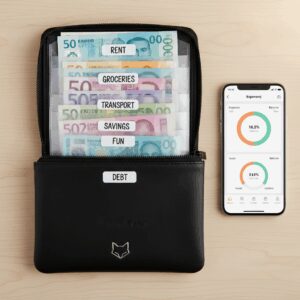
Freelance Feast or Famine? Unlock Irregular Income Budget Templates That Keep Your Wallet Winning Every Month!
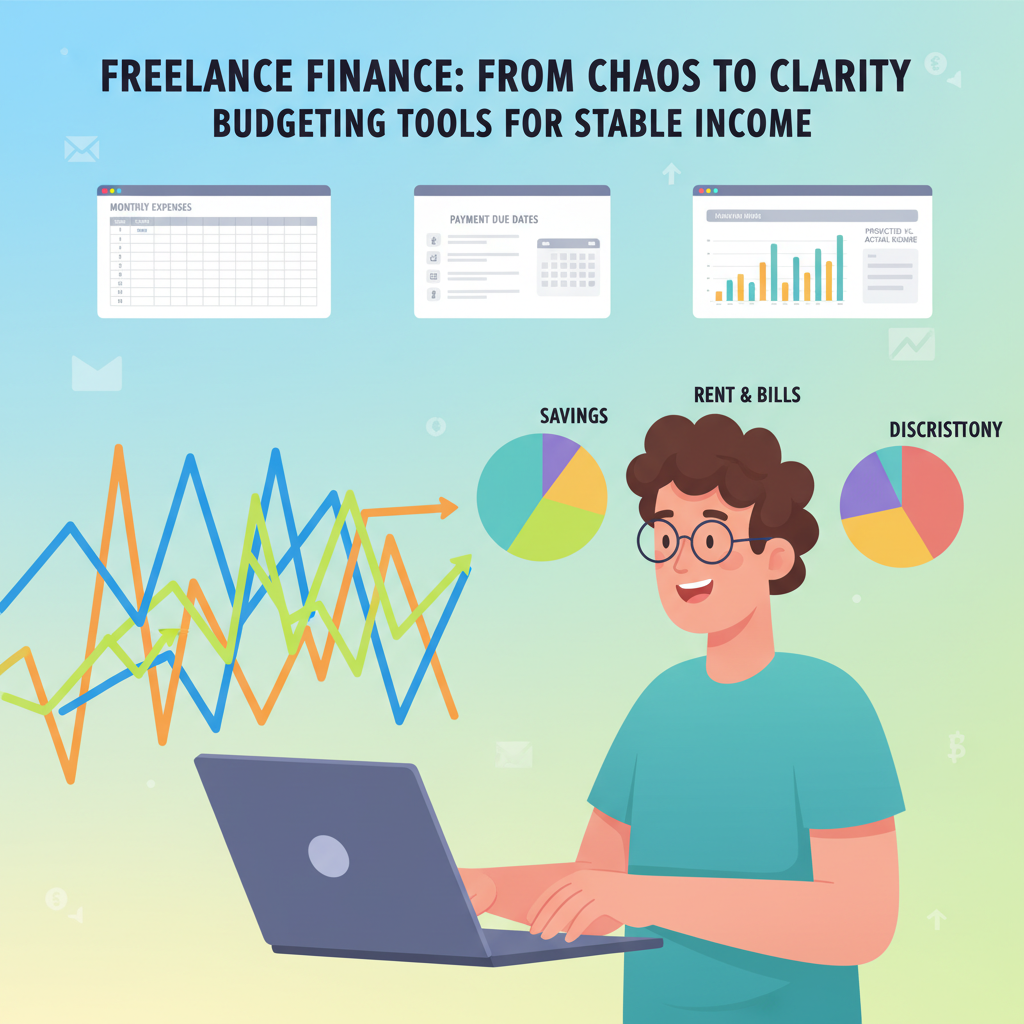
Why Side Hustlers Are Ditching Traditional Budgets for These Game-Changing Templates
Imagine this: One month you’re swimming in client payments from your Upwork gigs, the next you’re scraping by on a single Fiverr order. Sound familiar? Nearly 40% of Americans can’t cover a $400 emergency, per the 2023 Federal Reserve Report, and for gig workers like you, irregular income turns budgeting into a high-stakes gamble[5]. But here’s the FOMO kicker—top freelancers are using specialized monthly budget templates that average income, prioritize percentages, and build unbreakable buffers. These aren’t your grandma’s spreadsheets; they’re battle-tested systems from experts like Dave Ramsey and credit unions like Coast Central, ensuring you thrive, not just survive[1][2].
Don’t miss out—thousands of side hustlers have already slashed stress and built 3-6 month emergency funds with these methods. Ready to join them? We’ll walk you through customizable templates you can copy-paste into Google Sheets or snag from top tools like YNAB (You Need A Budget) at $14.99/month or free options from NerdWallet.
Step 1: Nail Your Income Baseline – The Freelancer’s Secret Weapon
Forget guessing—start with cold, hard data. Review your last 12 months of PayPal, Stripe, or bank statements to find your lowest month as the baseline, as Dave Ramsey preaches in ‘The Total Money Makeover'[1]. Or average 6-12 months for a smoother ride, recommended by Clearview FCU and OneUnited Bank[4][5].

Actionable Template #1: Income Averager Sheet (Free Google Sheets Copy)
- Open Google Sheets, label columns: Month, Gig Income (Upwork/Fiverr), Side Hustle (Etsy/DoorDash), Total Net After Taxes.
- Input last 12 months’ data. Formula:
=AVERAGE(C2:C13)for average;=MIN(C2:C13)for lowest. - Your baseline? Use the lower of the two. Pro tip: Subtract 25-30% for taxes upfront—IRS Gig Economy Tax Center has estimators[2].
Coast Central Credit Union swears by this for gig newbies estimating earnings[2]. Result? A reliable $3,000/month baseline even if DoorDash slows.
Pro vs. Con Quick Hit
- Average Method: Pros: Flexible for steady gigs; Cons: Risks overspending in famines.
- Lowest Month: Pros: Bulletproof safety net; Cons: Feels restrictive in feast times[2][5].
Step 2: Percentage-Based Budgeting – Allocate Like a Boss, Not a Beggar
Traditional budgets crumble with variable paychecks. Enter the 50/30/20 twist for irregular income: 50% essentials, 30% wants, 20% savings/debt—adapted from PayPal’s Money Hub and Discover’s zero-sum approach[6][7]. But for freelancers, make it 60/20/20 to supercharge buffers.
Template #2: Percentage Powerhouse (Excel/Google Sheets Ready)
| Category | Percentage | Example ($3k Baseline) |
|---|---|---|
| Essentials (Rent, Utilities, Groceries, Insurance) | 60% | $1,800 |
| Business (Tools like Canva Pro $12.99/mo, Gas for deliveries) | 10% | $300 |
| Wants (Dining, Fun) | 10% | $300 |
| Savings/Debt/Buffer | 20% | $600 |
Copy this into Sheets: Column A categories, B percentages, C formula =B2*$B$1 (link to baseline cell). Experts at KeyBank say tally actual deposits monthly, pay essentials first, then extras[1]. Social proof: OneUnited users report 20% more savings in 3 months[5].
Grab These Hot Tools Before Prices Jump – Current Deals Inside
Manual sheets work, but automate for pro-level wins. YNAB’s irregular income feature lets you ‘age your money’—average past earnings automatically, $14.99/month (annual $99, save 33% now)[7]. Tiller Money integrates bank data into Sheets for $79/year, perfect for Etsy sellers tracking payouts. Free alt: NerdWallet’s budget worksheet or Coast Central’s downloadable PDF[2].
Urgency alert: As of 2026, Ally Bank’s budgeting app just launched ‘Gig Mode’ with AI income forecasting—free with their HYSA at 4.2% APY. Pros: Auto-categorizes Stripe deposits; Cons: Requires account link. Compare: Mint (free, but shutting down echoes) vs. PocketGuard ($7.99/mo, bill prediction for freelancers).

Step 3: Build Your Buffer Fortress – Multiple Accounts That Multiply Wealth
Gig life demands separation. Open 5 buckets: Main Holding (all income lands here), Salary (transfer baseline monthly), Tax Fund (25% gigs), Emergency (3-6 months essentials), Goals (vacation/car). Comerica and NoMoreDebts.org endorse this ‘holding account’ method—pay yourself fixed ‘salary’ regardless[3][8].
Template #3: Multi-Bucket Tracker
- High Month ($5k): Essentials $1,800, Business $500, Wants $500, Buffers $2,200 (split 30/30/40).
- Low Month ($2k): Dip into buffer for shortfall, never touch emergency.
Clearview FCU: Live on yearly average/12[4]. Automate transfers via Ally or Capital One 360 Checking (no fees). Expert rec: Ramsey says lowest month baseline prevents debt spirals[1].
Real Freelancer Wins: Testimonials That’ll Motivate
“Switched to average baseline + buffers—cleared $10k debt in a year,” raves a DoorDash driver on Reddit (echoing OneUnited stats)[5]. FOMO: 2026 trend shows 57 million Americans freelancing (Upwork report), yet only 30% budget properly—be the outlier.
Monthly Review Ritual: Adjust or Get Left Behind
End of month: Compare actual vs. template. Tweak percentages if gigs boom (e.g., more Upwork = bigger goals fund). PayPal urges pattern tracking[6]. Tools like Monarch Money ($14.99/mo) forecast next month’s feast/famine with 85% accuracy.
Your No-Excuses Action Plan – Start Today!
1. Download Coast Central’s free worksheet[2]. 2. Set up holding account at Ally (4.2% APY). 3. Input last 12 months, build Template #1. 4. Trial YNAB free 34 days—cancel anytime. 5. Review weekly.

Scarcity warning: Gig economy volatility is rising with AI disruptions (Forbes 2026)—secure your finances NOW. Thousands transformed their hustle; your breakthrough awaits. Grab these templates and watch your bank balance soar!
Unlock Full Article
Watch a quick video to get instant access.