The Perfect Storm: Why Affluent Homeowners Are Losing Coverage Fast
If you own a high-value home, 2026 is the year you need to act—not later this spring, but now. The homeowners insurance market is undergoing a fundamental restructuring, and affluent property owners are caught in the crosshairs. Premium increases averaging 8.5% year-over-year through December 2025 mask a darker reality: in catastrophe-prone states like Colorado, Georgia, and Texas, homeowners purchasing new policies are facing increases of 20-28%, with some carriers simply refusing to write new business in entire ZIP codes.
For owners of high-value homes—typically defined as properties worth $1 million or more—the challenge is even more acute. Standard carriers are retreating from risk, deductibles are climbing 22% annually, and the Excess & Surplus (E&S) market, once a niche solution, now accounts for 16% of all homeowners policies in high-risk states like California, Florida, and Texas, up from under 2% in 2023. This isn’t just about paying more at renewal. It’s about potentially losing coverage altogether.
Understanding the 2025-2026 Market Collapse and What It Means for Your Premium
The numbers tell a troubling story. According to Matic’s December 2025 data, the average homeowners insurance premium reached $1,952 for a new policy—up 8.5% year-over-year. But geography is destiny in today’s market. Colorado homeowners purchasing new policies paid $666 more than in 2024, reflecting a 25.7% increase. Georgia saw the steepest increases at 28.4%, while New York (23.0%), Texas (20.5%), and Mississippi (19.4%) all experienced double-digit hikes. For high-value homes in these states, premiums can easily exceed $4,000-$8,000 annually, with some specialty properties commanding even higher rates.

The culprit? A perfect convergence of climate risk, regulatory delays, and soaring reconstruction costs. Colorado faces escalating wildfire exposure and severe convective storms. Florida and coastal Texas deal with hurricane risk. California’s wildfire season extends year-round. Meanwhile, labor and material costs for rebuilding have skyrocketed, forcing insurers to recalibrate their risk models. Regulatory approval for rate increases has slowed by more than 40% since 2010, creating a backlog of justified premium adjustments that carriers are now implementing all at once.
The Deductible Trap: Lower Monthly Payments, Higher Out-of-Pocket Risk
Here’s a dangerous trade-off affluent homeowners are making: to keep monthly premiums manageable, many are accepting average deductibles that rose 22% in 2025 alone. A higher deductible lowers your premium but dramatically increases your exposure when a claim occurs. For a $3 million home, the difference between a $5,000 and $25,000 deductible can mean $200-$400 monthly savings—but a $20,000 out-of-pocket hit if a storm damages your roof or causes water damage. This strategy makes sense for some, but for high-value properties with significant replacement costs, it’s a false economy.
Where Standard Carriers Are Retreating—And Where They’re Still Writing
The geography of coverage availability has become starkly divided. In lower-risk inland regions—think Denver suburbs, upstate New York, or the upper Midwest—standard admitted carriers are still actively underwriting new business and offering moderate, mid-single-digit increases. For homeowners in these areas with well-maintained properties and strong loss histories, 2026 may actually bring some relief and competitive options.
But in catastrophe-exposed zones, the picture is dire. California, Florida, and Texas now rely heavily on the Excess & Surplus (E&S) market—carriers that operate outside standard regulatory constraints. E&S policies typically come with higher premiums (often 30-50% above standard market rates), fewer consumer protections, and stricter underwriting. They’re also more likely to non-renew after a single claim. For a $2 million home in Miami or Los Angeles, an E&S policy might cost $6,000-$12,000 annually, with a $25,000+ deductible and limited coverage for certain perils.
Your Action Plan: Five Strategies Affluent Homeowners Must Execute Now
1. Engage a Specialized Private Client Broker Immediately
This is non-negotiable. Generic insurance agents don’t have the relationships or expertise to navigate the high-value market in 2026. Seek brokers specializing in “private client” or “high-net-worth” insurance—firms like Chubb, AIG Private Client Group, or regional specialists who have direct relationships with carriers still writing affluent properties. These brokers know which carriers are actively underwriting in your ZIP code, which are pulling back, and which will negotiate on pricing for properties with strong risk profiles. The broker fee (typically 10-15% of premium) is worth the savings they’ll negotiate.

2. Document and Implement Risk Mitigation Upgrades
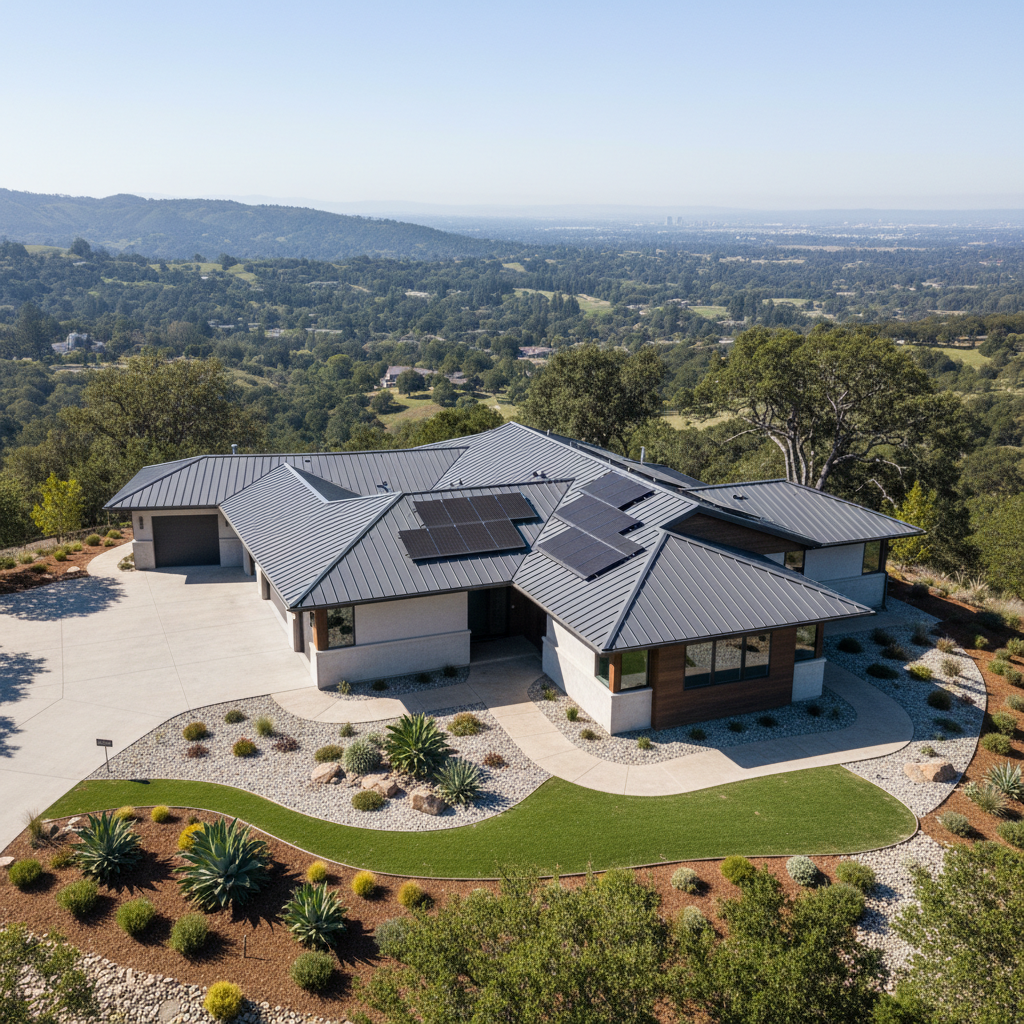
Insurers are increasingly using granular, property-level analysis to underwrite high-value homes. This means documented improvements matter enormously. Priority upgrades include: roof replacement with impact-resistant materials (Class 4 shingles or metal roofing), updated electrical systems, reinforced garage doors in hurricane zones, defensible space clearing in wildfire-prone areas, and upgraded plumbing and HVAC systems. Get written quotes and completion certificates for these upgrades—they can justify 5-15% premium reductions with some carriers. For a $5,000 annual premium, a 10% reduction ($500/year) pays back a $3,000 roof upgrade in six years.
3. Restructure Your Coverage with Higher Deductibles Strategically
Rather than applying a blanket high deductible across all perils, work with your broker to layer deductibles strategically. Accept a $15,000-$25,000 deductible for wind/hail (the most common high-value claim), but maintain a $2,500-$5,000 deductible for fire, theft, and liability. This approach keeps your monthly premium competitive while protecting you against catastrophic losses. For properties in low-risk areas, consider a $10,000 all-peril deductible. For high-risk coastal or wildfire zones, the calculus shifts—you may need to accept higher deductibles or supplement with separate windstorm/wildfire policies.
4. Explore Specialty Carriers and Surplus Lines Options
Beyond standard admitted carriers, several specialty insurers still actively underwrite high-value homes in 2026. Chubb remains a leader in affluent homeowners coverage, offering customized policies for properties valued $1 million-$10 million+. AIG Private Client, Lexington Insurance, and Assurant also maintain appetite for well-maintained high-value properties. In catastrophe-exposed states, E&S carriers like Homeowners Choice, Heritage Insurance, or regional specialists may offer better terms than you’d expect—particularly if your property has strong risk characteristics. Your broker should present at least 3-5 competitive quotes before you commit.
5. Implement a Continuous Renewal Strategy
The worst thing you can do in 2026 is let your homeowners policy lapse or non-renew. Once you lose coverage, re-entering the market is exponentially harder and more expensive. Set calendar reminders 90 days before your renewal date. Request quotes 60 days out. If your current carrier non-renews, your broker should already have backup options lined up. Maintain continuous coverage even if the new premium is higher—gaps create underwriting red flags that will cost you thousands in future years.
What to Expect at Your 2026 Renewal
For affluent homeowners in lower-risk areas, expect modest increases (4-8%) and reasonable availability. For those in catastrophe-exposed regions, brace for steeper hikes (15-25%+), possible non-renewals, and pressure to accept higher deductibles or move to E&S carriers. The silver lining: carriers that have achieved rate adequacy are now showing more stability, and some competition is returning for well-protected, low-loss properties. This means your risk profile—not just your location—matters more than ever.

The Bottom Line: Act Now, Before Your Renewal
The homeowners insurance market of 2026 is fundamentally different from 2023. Waiting until your renewal notice arrives is a mistake. Engage a specialized broker now, document your property improvements, and explore your options while you have them. For high-value homeowners, the cost of inaction—losing coverage, facing non-renewals, or accepting inadequate policies—far exceeds the cost of being proactive today.
Unlock Full Article
Watch a quick video to get instant access.