How to Stay Financially Focused After Holiday Spending — Tips Across Insurance, Loans, and Budgeting

The holidays have a way of disrupting even the best financial habits. Spending increases, routines loosen, and long-term goals often take a back seat to short-term joy and convenience. When January arrives, many people feel a mix of motivation and overwhelm. Staying financially focused after holiday spending isn’t about strict rules—it’s about creating structure that supports recovery without burnout.
The first step is shifting from reaction to reflection. Instead of rushing to “fix” everything at once, take a calm look at where your finances stand. Review account balances, recent statements, and upcoming obligations. This isn’t a judgment exercise—it’s an information-gathering one. Clarity reduces anxiety and helps you prioritize effectively.
Budgeting becomes the foundation of post-holiday focus. Rather than creating an entirely new system, reset your existing one. Adjust categories that were inflated by holiday spending and return them to sustainable levels. Build in flexibility so the budget doesn’t feel restrictive. A budget that feels realistic is far more likely to be followed.
Insurance is another area that benefits from post-holiday attention. Travel, new purchases, and lifestyle changes can quietly alter coverage needs. Reviewing auto, home, renters, and health insurance ensures you’re protected without overpaying. This review often reveals opportunities to bundle policies, adjust deductibles, or update coverage limits—small changes that support overall financial stability.
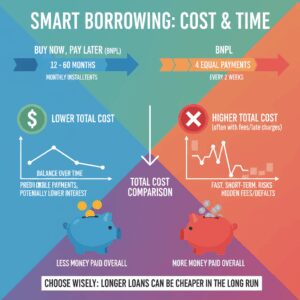
Personal loans and credit deserve careful consideration during this period. If holiday spending resulted in higher balances, avoid impulsive borrowing. Loans can be useful tools for consolidating high-interest debt or managing specific expenses, but they should be part of a plan, not a reaction. Understanding when borrowing helps—and when it doesn’t—keeps short-term stress from becoming long-term pressure.
Credit cards, in particular, require intentional management after the holidays. Instead of focusing on eliminating balances immediately, aim for steady progress. Choose a repayment strategy, align payments with income timing, and avoid adding new charges whenever possible. Consistency matters more than speed.
Staying financially focused also means reconnecting with your goals. Holiday spending can make long-term plans feel distant, but revisiting why you budget, save, and plan brings purpose back into the process. Whether the goal is security, flexibility, or future opportunities, anchoring decisions to values helps maintain motivation.
Cash flow awareness is another powerful tool. Understanding when money comes in and goes out allows for better timing of payments, savings, and expenses. Simple adjustments—such as shifting due dates or automating transfers—can reduce stress without requiring more income.
Avoid the temptation of extreme resets. Cutting all discretionary spending, aggressively paying down everything at once, or overhauling systems often leads to fatigue. Sustainable focus comes from manageable changes. Small wins rebuild confidence and momentum.
Communication matters as well. If finances feel strained, proactively contacting lenders, insurers, or service providers can open doors to temporary adjustments or support. Ignoring issues rarely makes them easier to solve.
Another key aspect of post-holiday focus is preventing the next cycle. Use insights from holiday spending to plan ahead. Creating sinking funds for future travel, gifts, or seasonal expenses spreads costs over time and reduces reliance on credit. Planning doesn’t eliminate enjoyment—it protects it.
Finally, give yourself grace. Financial progress isn’t linear. Seasonal spending, unexpected costs, and life changes are part of the journey. What matters most is how you respond afterward.
Staying financially focused after the holidays doesn’t require perfection. It requires awareness, intention, and patience. By addressing budgeting, insurance, loans, and credit together—rather than in isolation—you create a more resilient financial system.
The post-holiday period is not a setback; it’s a reset point. With thoughtful adjustments and steady attention, financial focus becomes less about recovery and more about direction—setting the tone for a calmer, more confident year ahead.
Unlock Full Article
Watch a quick video to get instant access.