When a Holiday Loan Makes Sense — and When to Avoid It: A Practical Guide for Borrowers

The holidays are a time of celebration, connection, and giving — but they can also bring significant financial pressure. Between travel costs, gift purchases, and seasonal events, many people consider taking out a loan to cover December expenses. While personal loans can be helpful in certain situations, they also carry risks if used without a clear plan.
Before borrowing, it’s important to understand when a holiday loan can support your finances — and when it may create unnecessary stress long after the celebrations end.
What Is a Holiday Loan?
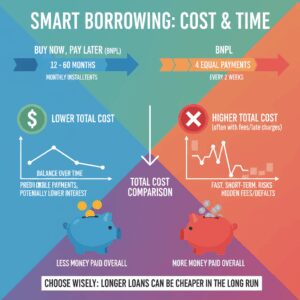
A holiday loan is simply a personal loan used to cover seasonal expenses. These loans typically offer:
- A fixed interest rate
- A set repayment schedule
- A predictable monthly payment
They are a more structured alternative to credit cards, especially for borrowers who want to avoid high variable interest or long-term revolving balances.
When a Holiday Loan Makes Sense
The key to a smart borrowing decision is purpose and planning. A loan may be a responsible choice if:
1. You’re Consolidating More Expensive Debt
If you’re currently relying on high-interest credit cards, a personal loan may:
- Lower your interest costs
- Provide a clear payoff timeline
- Prevent a growing balance
This can turn chaotic debt into a manageable plan.
2. You Can Clearly Afford Monthly Payments
Before borrowing, include the future payment in your budget. If the payment fits comfortably and does not disrupt essentials like housing or savings, the loan may be reasonable.
3. You Have a Reliable Income Source
Stability reduces risk. Borrowing only makes sense if you’re confident you can repay it on time, every time.
4. The Expense Is Practical
Necessary travel, essential home repairs, or emergency holiday needs may justify borrowing — especially when delay could be more costly later.
When a Holiday Loan May Cause Problems
Not every seasonal expense is worth financing. A holiday loan may not be the best option if:
1. It’s Used Only for Gift Purchases
Borrowing to expand your gift list often leads to post-holiday regret. Loved ones value time and presence more than price tags.
2. You’re Already Struggling With Monthly Expenses
If meeting current bills is difficult, adding debt will likely increase future stress.
3. You Haven’t Compared Costs
Some loans come with:
- High origination fees
- Penalties
- Longer terms than necessary
Always shop around and read the fine print carefully.
4. Borrowing Is a Quick Fix for Overspending
If the main motivator is impulse buying or holiday pressure, a loan may create a financial setback rather than relief.
Safer Alternatives to Explore First
Before applying for a loan, consider lower-risk approaches:
- Create a holiday budget and stick to it
- Choose thoughtful, less costly gifts or experiences
- Adjust travel plans to reduce expenses
- Use existing card rewards or cash-back savings
- Delay non-essential purchases until after the holidays
Sometimes the smartest financial move is simply prioritizing what matters most.
If You Decide to Borrow, Borrow Wisely
A responsible approach includes:
- Comparing multiple lenders
- Checking your credit to secure a better rate
- Keeping the loan amount as low as possible
- Choosing the shortest repayment term you can afford
The goal is to meet immediate needs without sacrificing financial stability in the new year.
Celebrate the Holidays Without Sacrificing Your Future
A holiday loan can provide relief in specific situations — but it should never be the default solution. With careful planning, budgeting, and honest evaluation of your needs, you can make a choice that supports both your holiday happiness and your long-term financial health.
The holidays should bring joy, not debt anxiety. Before signing anything, take a moment to consider what you truly need and what truly matters. Your future self will appreciate the thoughtful decision.
Unlock Full Article
Watch a quick video to get instant access.